
As your partner network grows, training gets harder. What starts as a few onboarding sessions and product courses quickly turns into:
Most organizations try to solve this by adding more content. But content alone doesn’t scale performance.
What’s missing is a system.
When you rely on dealers, distributors, or franchisees, you are depending on people outside your company to deliver your product, service, and brand experience.
That creates a fundamental challenge:
You don’t control how work gets done.
You can only influence it.
Most organizations try to solve this with:
But over time, this leads to:


Training infrastructure is the system that makes partner performance repeatable.
It is not just courses. It is not just an LMS.
It is the combination of:
Together, these create a repeatable way for your network to learn, execute, and improve.
Training stops being an activity. It becomes part of how your business operates.

In distributed organizations, performance doesn’t just depend on strategy.
It depends on how well your partners execute in the field.
And that’s where most organizations struggle.
As networks grow:
This is not a content problem. It’s a system problem.
When training is built as infrastructure, it changes how your network operates. Instead of reacting to problems, you create a system that prevents them.
You can:
In complex partner networks, training is not a support function. It is operational infrastructure.


Training infrastructure is not just about delivering training.
It is part of a system that connects:
training → capability → performance
To scale channel performance, organizations need both:
Training infrastructure provides the structure that makes training scalable.
It includes:
This ensures training is:
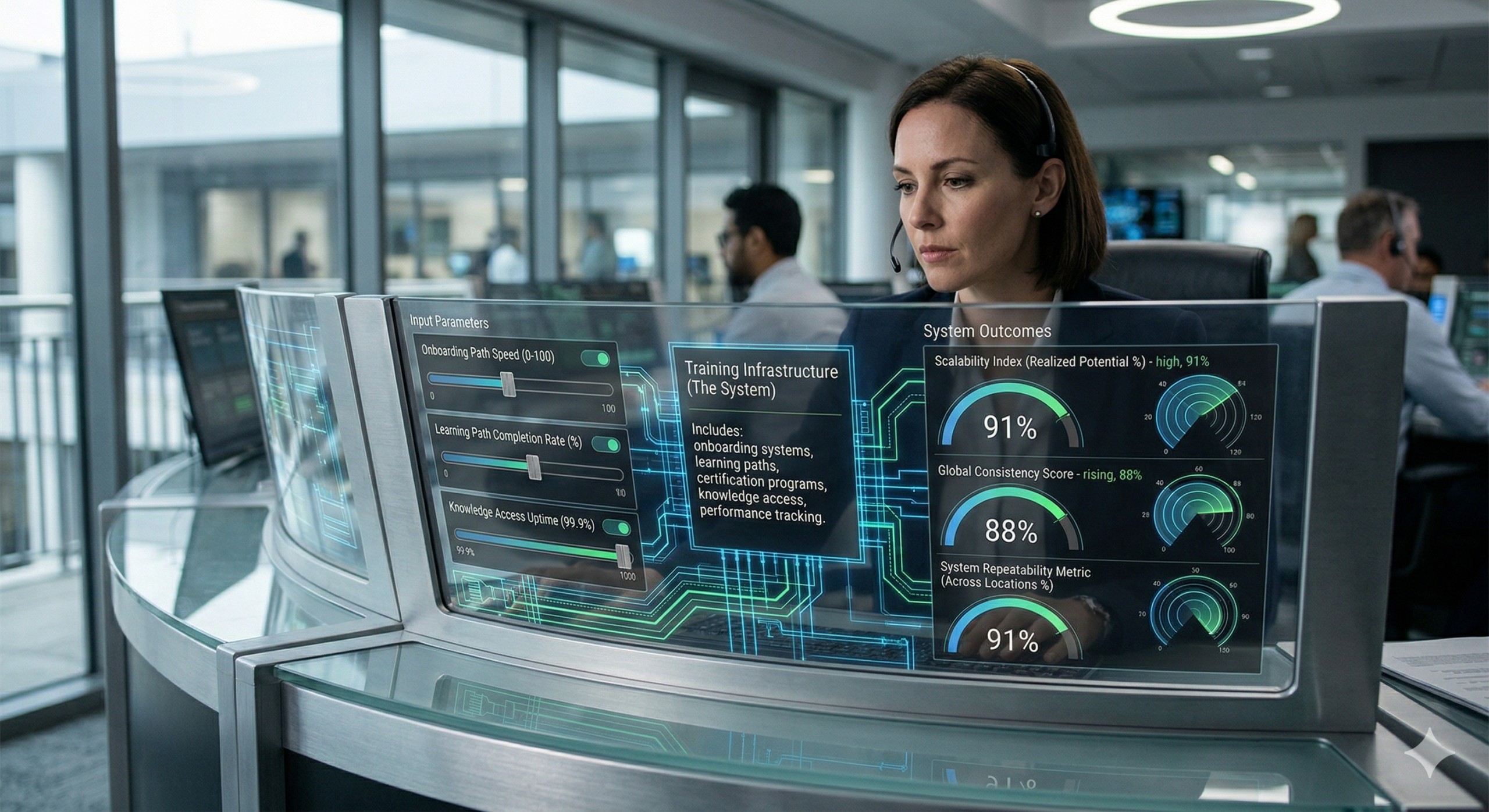
Having a system is not enough.
Training must also be designed to drive real-world performance.
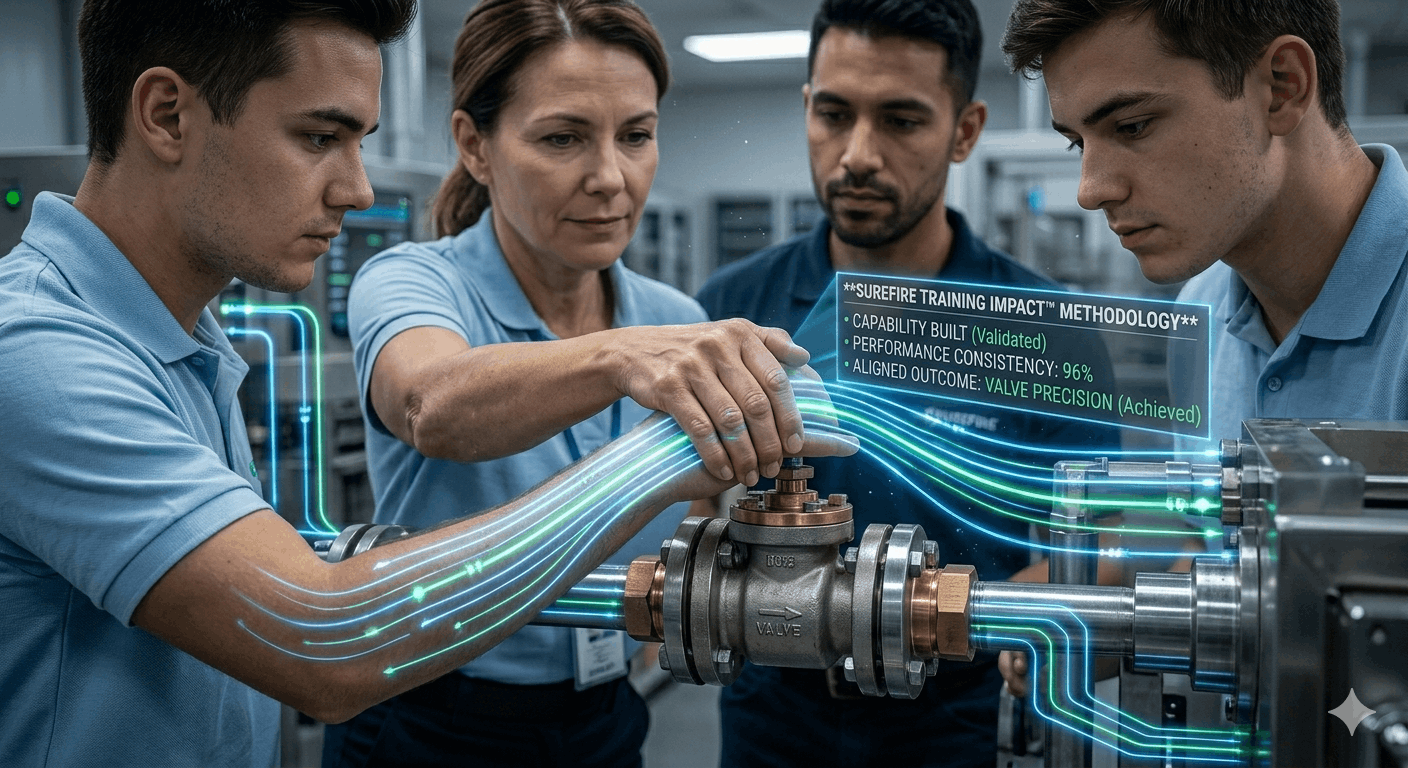
LatitudeLearning uses the Surefire Training Impact™ methodology to design training systems that produce measurable outcomes.
This methodology includes:
Learn–Do–Teach
A model for building real capability:

When training infrastructure is combined with a proven methodology:
This is how training becomes infrastructure for channel performance.

High-performing organizations don’t treat training as a collection of disconnected programs.
They build a system.
That system is made up of five core training use cases.
Each one plays a specific role. Together, they create the engine that drives partner performance.
They are built around content instead of systems.
Organizations invest heavily in:
And on the surface, it looks like progress.
But when you look at the results:
Because content alone does not drive performance.
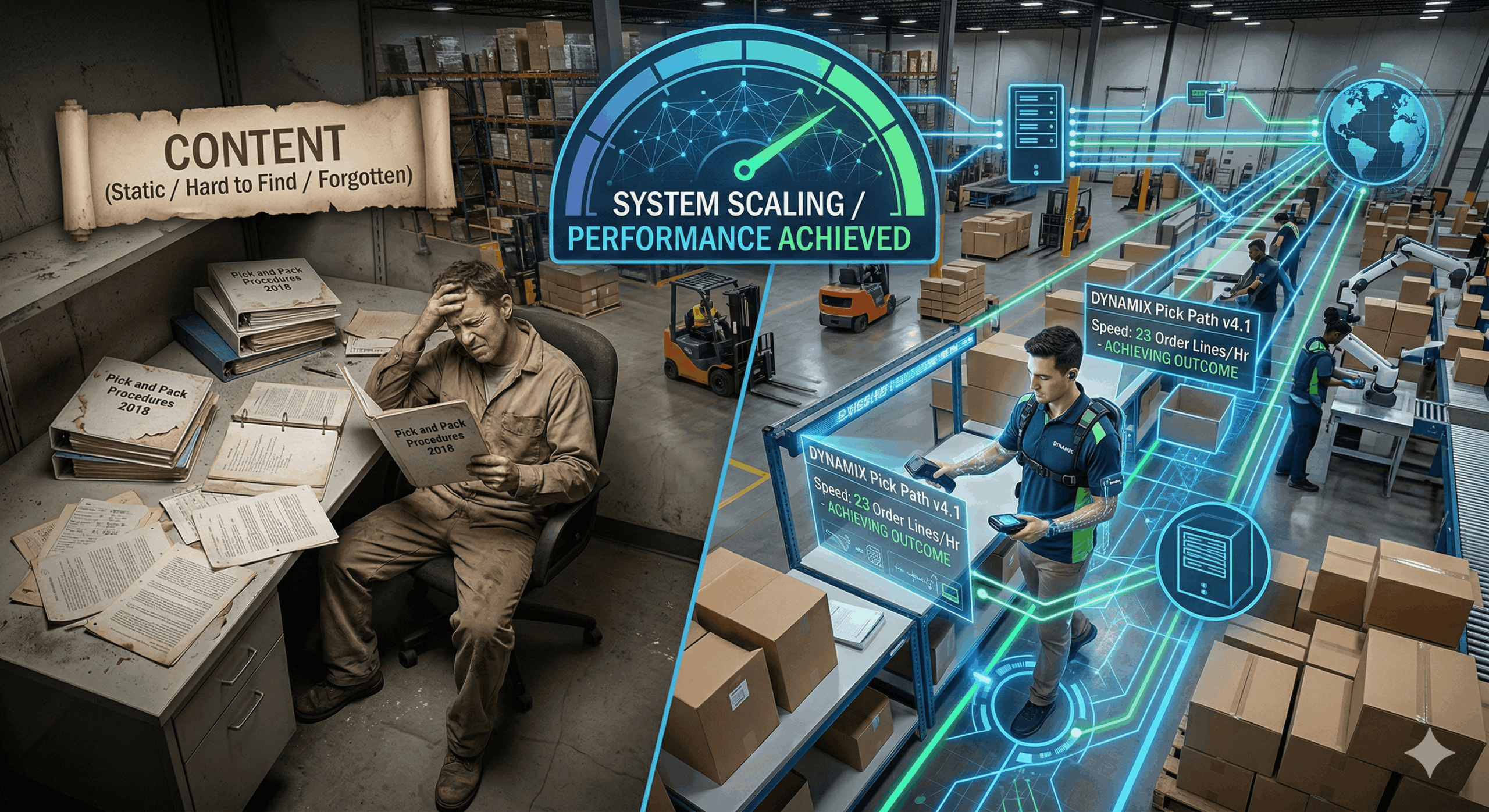
Content is static. Performance is dynamic.
Without a system, content becomes:
This is why many training programs stall.
They produce content—but not outcomes.
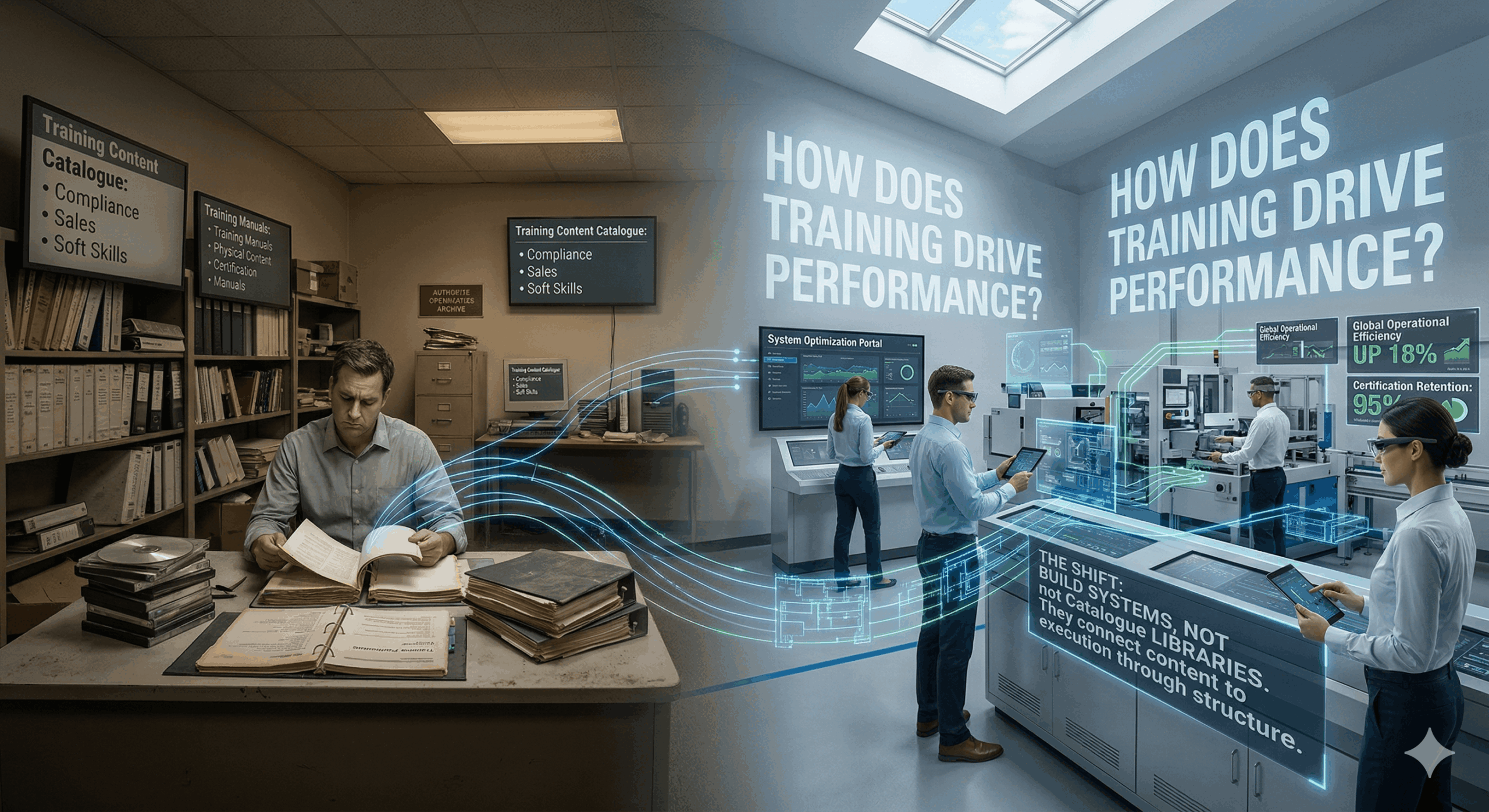
They connect content to execution through structure.
Instead of asking:
“What training should we create?”
They ask:
“How does training drive performance?”
That shift changes everything.

Training is organized by role and progression, not just topics

The right people get the right training automatically
Training is triggered by role, timing, or business events

Training adjusts based on real-world performance

Capability is verified, tracked, and maintained over time

Instead of being separate from the business, training becomes part of how the business runs.
Training is no longer an event. It becomes infrastructure.
From:
Content → Libraries
Training → Events
Learning → Optional
To:
Systems → Workflows
Training → Operations
Learning → Performance
This is the difference between:
👉 delivering training and
👉 building a system that drives results
This is why high-performing organizations don’t just build content.
They design systems using proven methodologies like Surefire Training Impact, ensuring that training
Most organizations can tell you:
But they struggle to answer a more important question:
Did performance actually improve?
This is where most training programs fall short.
They measure activity.
Not outcomes.
This connection between training and performance is not accidental.
It is designed using structured approaches like the Surefire Training Impact methodology, which aligns training to real-world outcomes and continuously improves it based on performance data.
In effective training infrastructure, training is not separate from operations.
It is directly connected to how the business performs.
This means training is aligned with:
Training is no longer something people complete.
It becomes something that drives results.

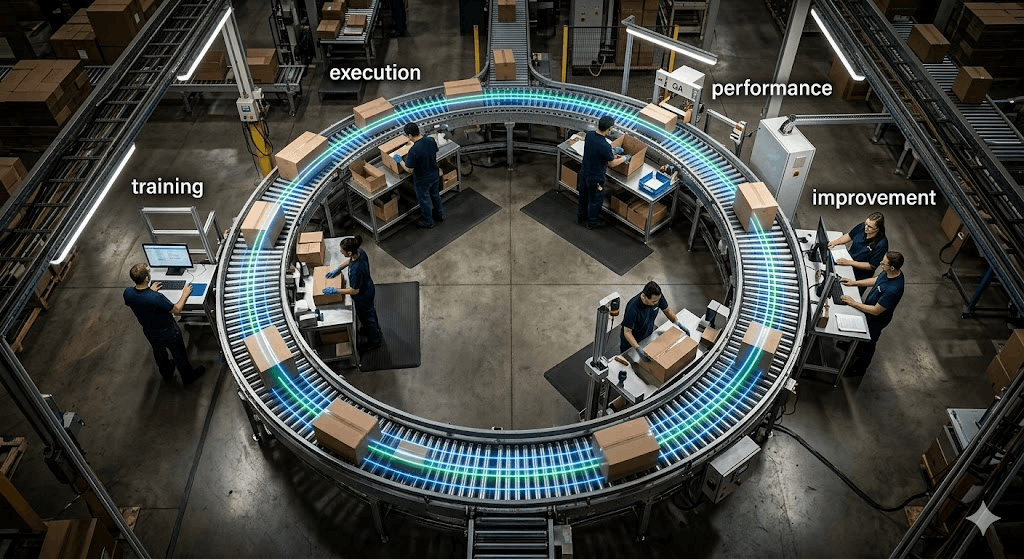
When training is connected to performance, it changes how it is used.
For example:
This creates a continuous loop:
training → execution → performance → improvement
This is how training becomes a driver of operational success—not just a support function.
Traditional training reports tell you what happened.
High-performing organizations use training data to understand:
This is the difference between:

As seen in large-scale partner environments, integrating training with performance metrics enables organizations to continuously refine and improve outcomes.
When training is connected to performance:
Training stops being a cost. It becomes a lever for performance.


Training infrastructure doesn’t happen by accident.
Most organizations don’t plan their training systems.
They build them over time:
The result is a collection of tools and content—not a system.
At LatitudeLearning, this approach is guided by the Surefire Training Impact™ methodology—a structured way to design training systems that produce measurable outcomes.
When designed this way:
Instead of reacting to problems, you build a system that prevents them.
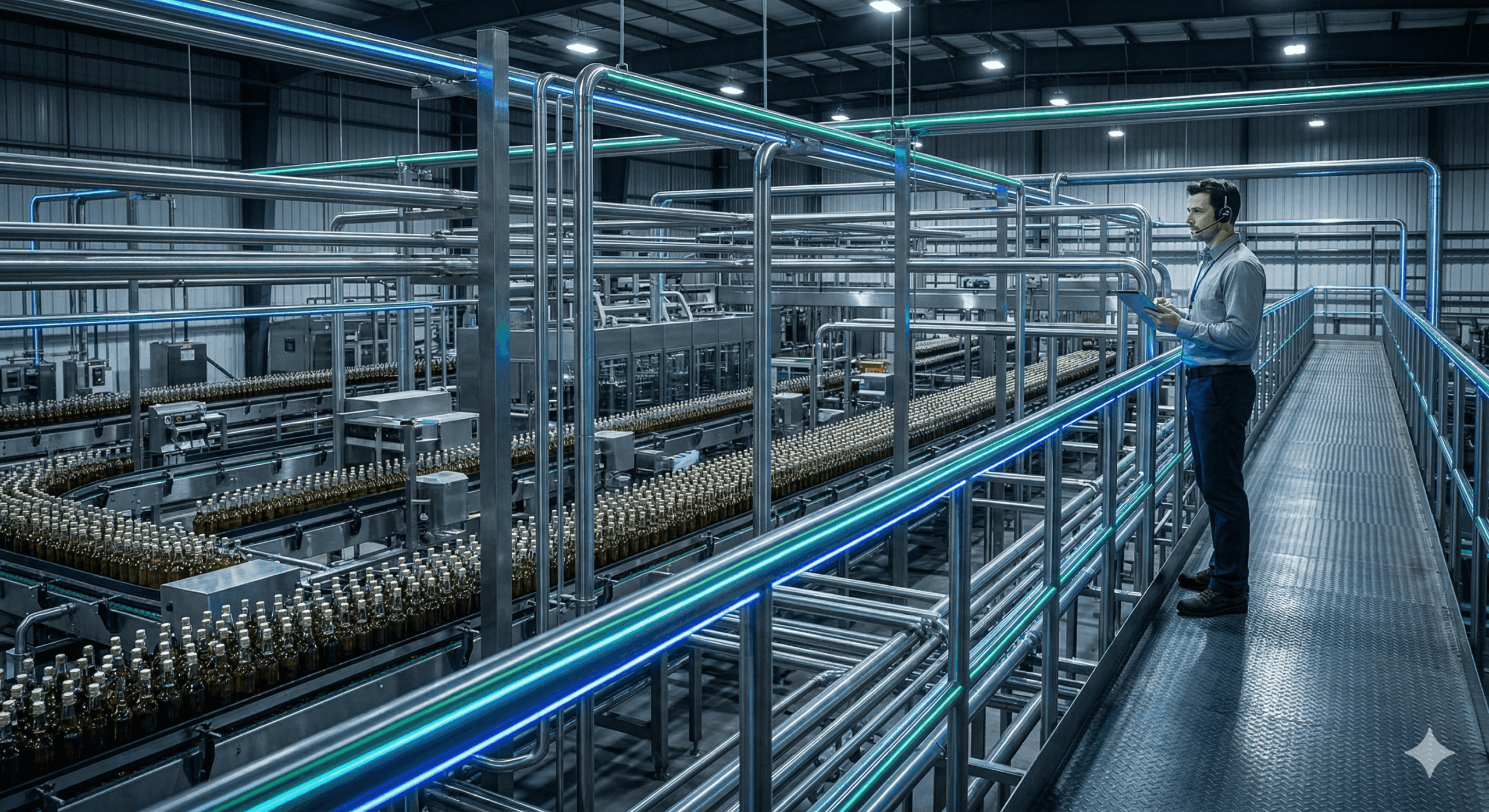
This approach is especially critical in environments with:
In these environments, training must be:
That’s what turns training into infrastructure.
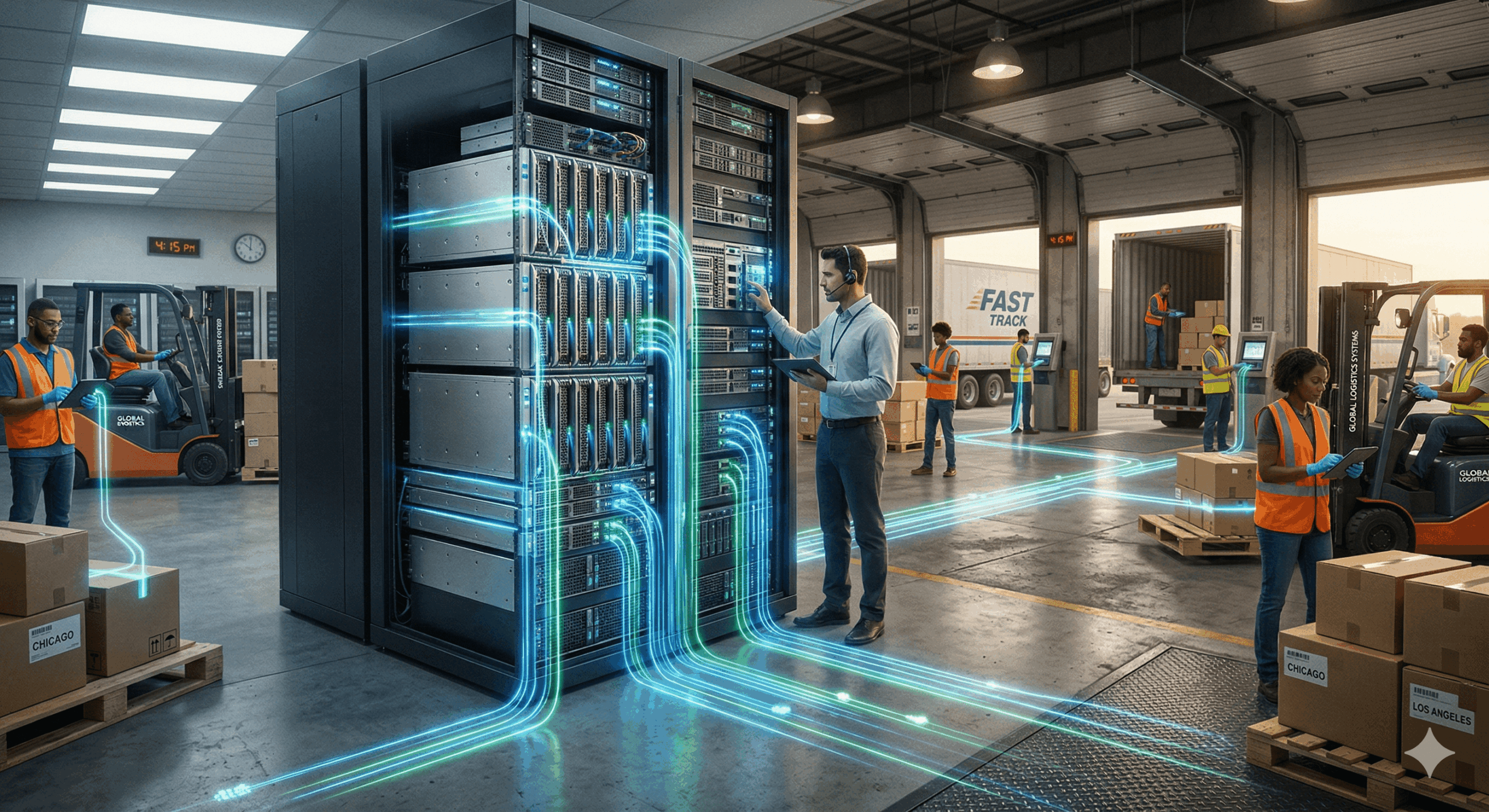
But it only works at scale when it is supported by the right systems.
Without technology:
Technology is what turns a well-designed training system into an operational engine.
To fully support partner networks, organizations need two types of systems working together:
Each plays a different role. Together, they create a complete training infrastructure.
This is the system that manages how people learn, progress, and get certified.
It provides the structure behind your training infrastructure.
With the LMS, you can:
This is how you turn training into a repeatable, managed system.
Not all learning happens in a course.
In the field, partners need answers in the moment of need.
Lumina provides instant access to trusted, company-approved knowledge.
With Lumina, partners can:
This is how you extend training beyond courses into daily execution.
Each system solves a different part of the problem.
Together:
Some organizations begin with structured training.
Others start with knowledge systems to improve field support.
Over time, the most effective organizations combine both.
This creates a natural evolution:
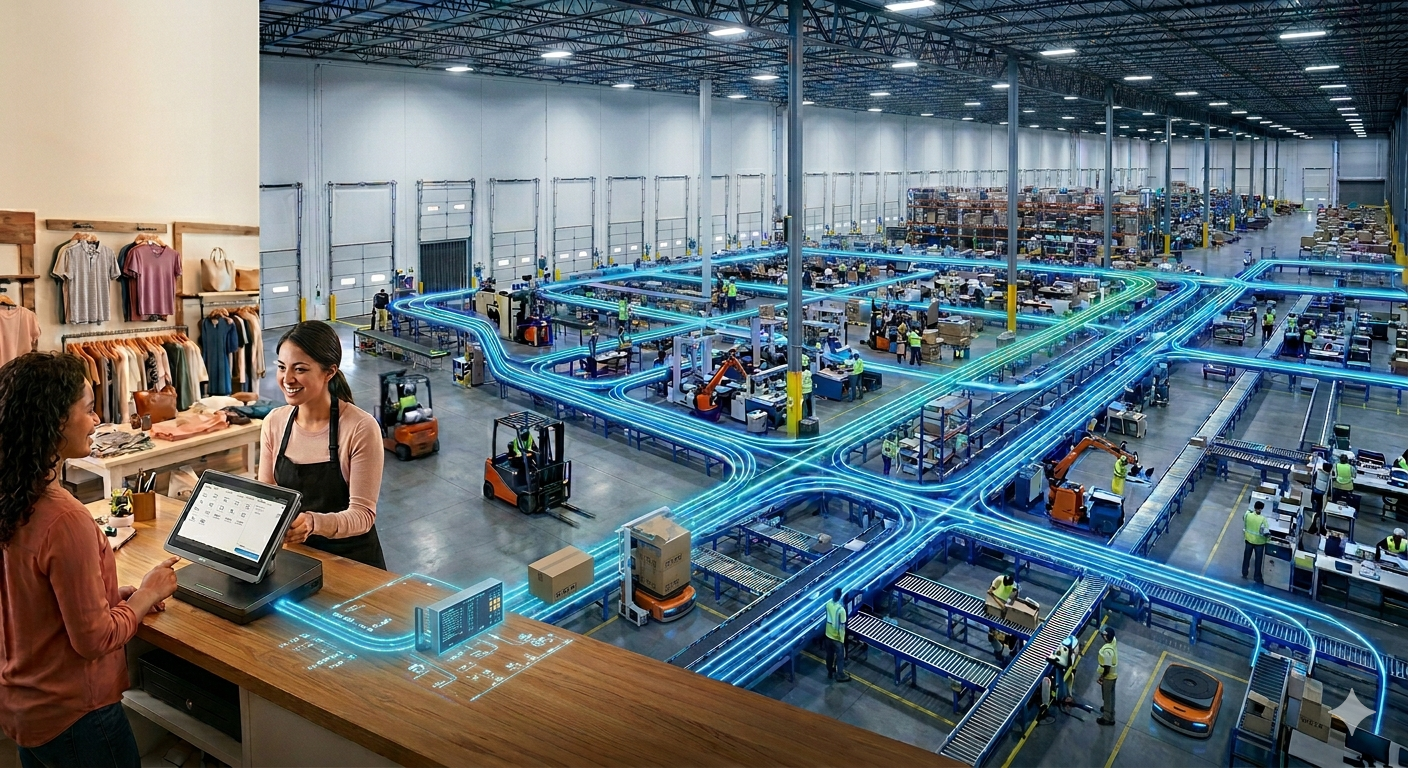

The goal is not to implement software.
The goal is to build training infrastructure that improves performance.
Technology simply makes that possible—at scale.
Improving channel performance requires more than content, tools, or one-off initiatives.
It requires a system for how your network:
This is the role of the Channel Performance Framework.
And at the base of that framework is training infrastructure.
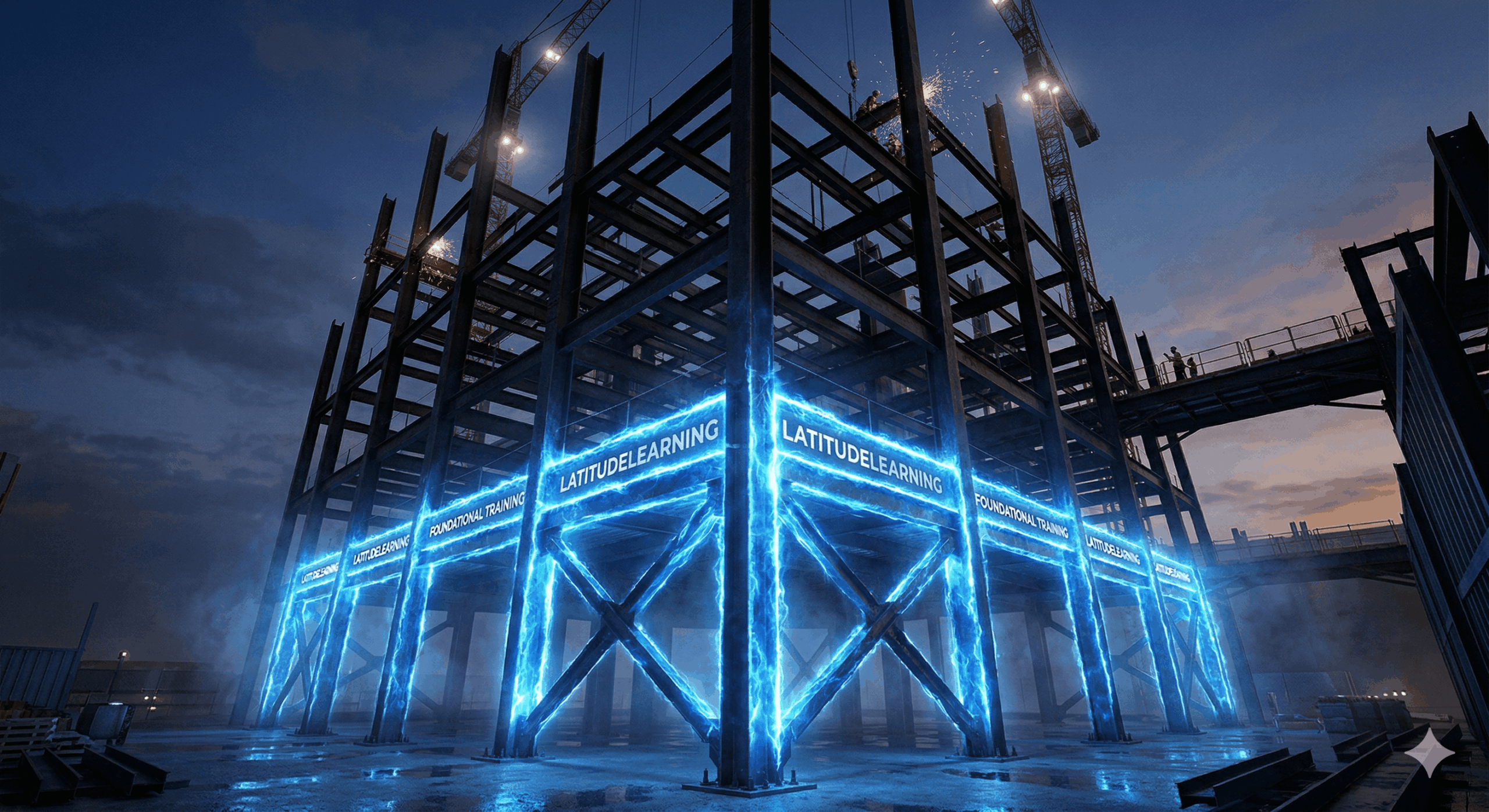
Training infrastructure is the layer that makes everything else possible.
It creates the systems that:

Without this foundation:
With it:
Training infrastructure is the engine of replication.
Training infrastructure provides the system.
But performance is ultimately driven by how training is designed and applied.
This is why high-performing organizations combine infrastructure with a proven methodology like Surefire Training Impact™.
This ensures that:
Training infrastructure is not the entire system. It is the starting point.
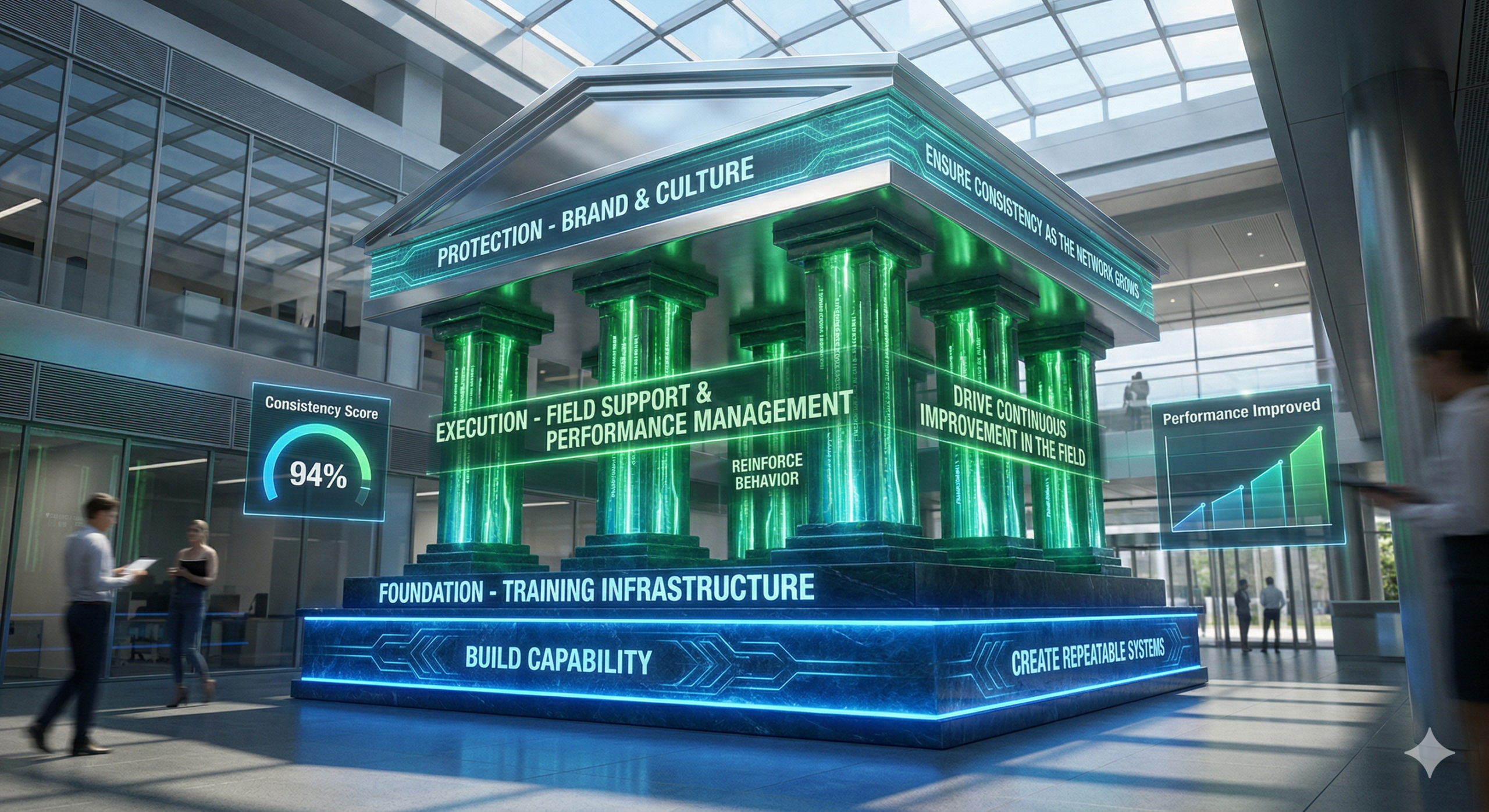
From there, performance is reinforced and scaled through additional layers:
Foundation — Training Infrastructure
Build capability and create repeatable systems
Execution — Field Support & Performance Management
Reinforce behavior and drive continuous improvement in the field
Protection — Brand & Culture
Ensure consistency as the network grows
Each layer builds on the one below it. If the foundation is weak, everything above it becomes harder.
Many organizations try to improve channel performance by focusing on:
But without a strong training foundation:
They are trying to fix execution without fixing capability.


When training infrastructure is in place:
Because everyone is starting from the same baseline.
If you want to scale channel performance:
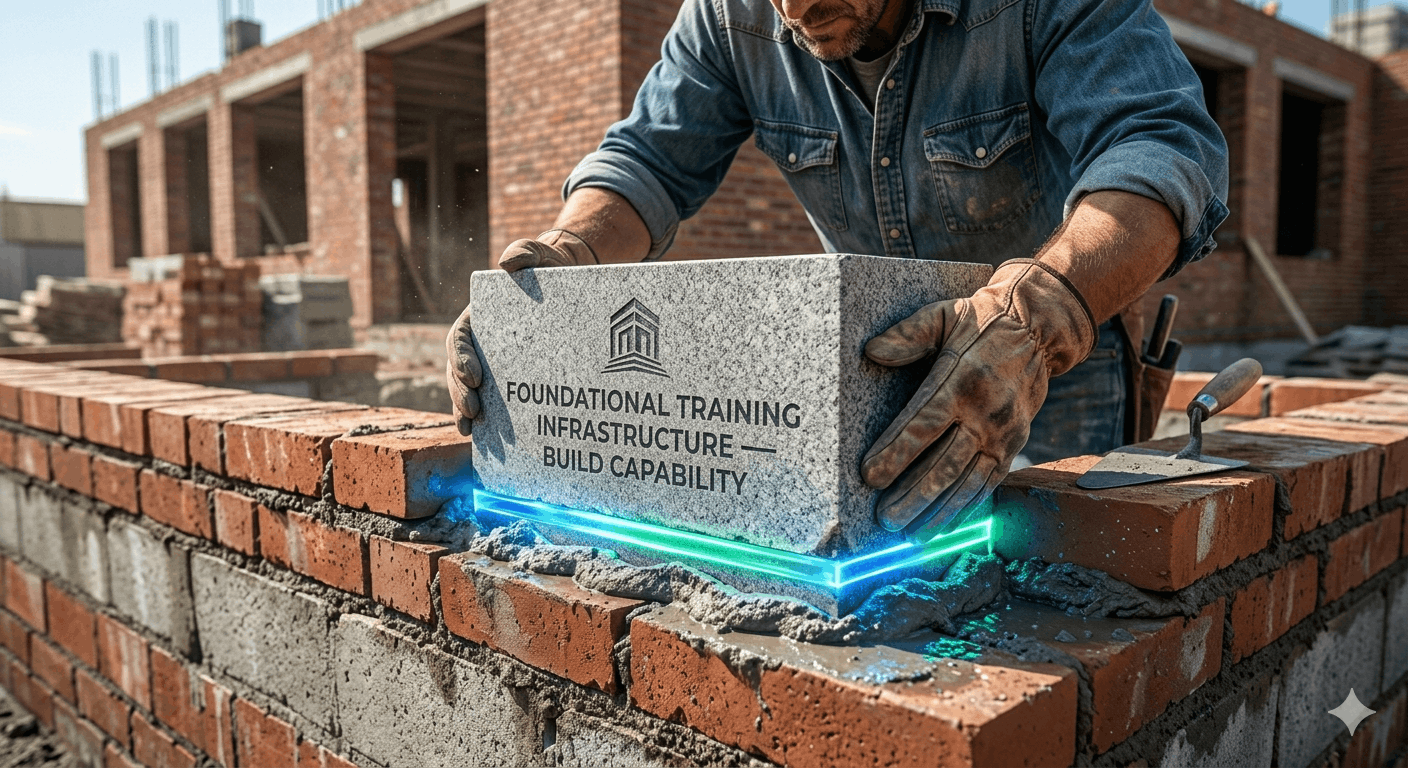
Start with training infrastructure. It is the system that makes everything else work.
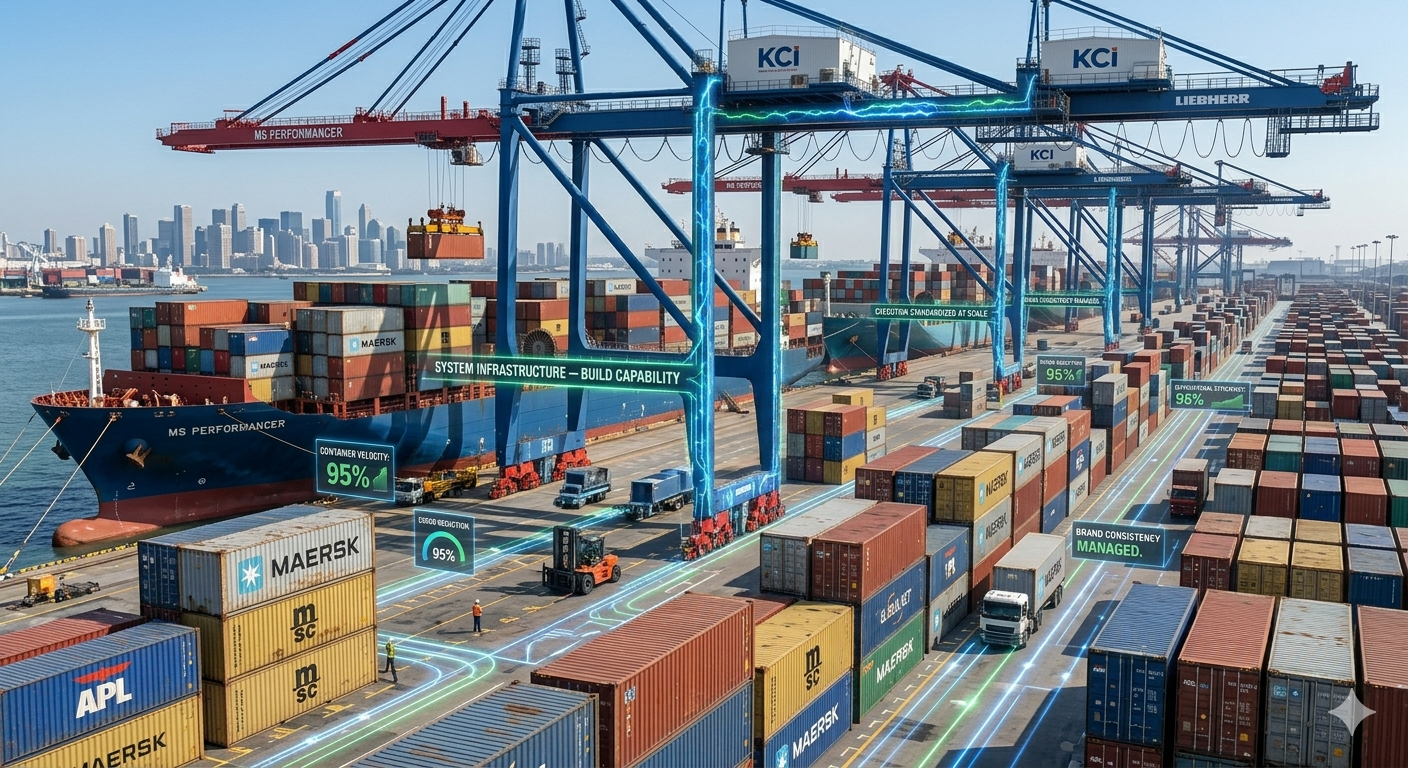
If your partner network is growing, training will only become more complex.
More partners.
More locations.
More variation in execution.
At some point, content is no longer enough.
You need a system.
It’s how high-performing organizations:
The question is not whether you need it.
It’s whether you build it intentionally—or let it evolve into something harder to manage over time.


We work with organizations to:










 Define Roles
 Define Capabilities
 Implement Systems
 Measure and Improve
 What must each role know and do?