

Franchise systems depend on the people who enter them. The strength of any distributed network increases when the individuals who join are suited for the responsibilities, lifestyle, values, and pace of the business. Many emerging franchisors invest considerable time into refining their model but far less time into understanding who should be trusted with the brand. The early steps in selection and enablement shape long term outcomes. A franchisor can have polished operations, a recognized brand, and an appealing offering, yet the system will struggle if the wrong owners are brought in. Sustainable development begins with clarity. It begins with understanding where to find the right candidates and how to evaluate them. Business Alliance, Inc., often referred to as BAI, plays a central role in this part of the franchise lifecycle.
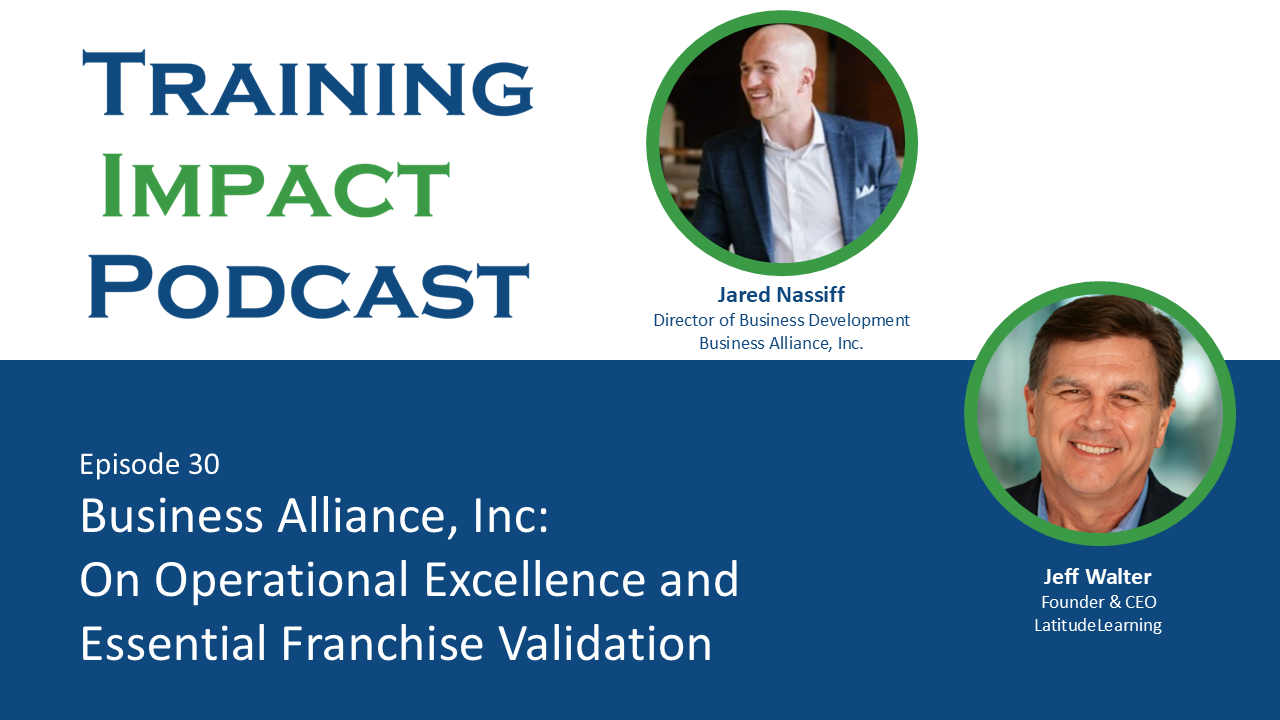
Business Alliance, Inc. operates as a national franchise brokerage network built on three connected components. The first is a community of franchise consultants who work directly with prospective owners across the United States. These consultants guide candidates through the process of evaluating opportunities, understanding investment levels, and determining whether franchise ownership fits their goals and circumstances. The second component is a portfolio of franchisor brands. These brands are vetted before joining the network and gain visibility with consultants who match them with aligned candidates. The third component is a collection of suppliers and service partners that support franchisors in areas such as funding, legal documentation, marketing, and operational resources.
The structure mirrors the broker model used in real estate. Consultants are independent but affiliate with the network to gain tools, training, and resources that support their work. Franchisors align with BAI to gain access to educated and prescreened candidates. Suppliers benefit from exposure within a franchise specific ecosystem. Together these groups form a coordinated marketplace where franchisors who are building their distribution channel can find qualified individuals and foundational support from partners who understand the complexities of system growth.
Franchise development often becomes challenging when franchisors assume that any motivated buyer with the required capital can succeed. The transcript highlights the risks of this assumption. Many franchisors focus heavily on operational documentation, brand identity, and early store success, but they underestimate the importance of identifying the right owner profile. Fit often matters more than experience. Industry background may help but is rarely the determining factor in long term performance. Personality traits, work style, family circumstances, leadership aptitude, and passion for the category tend to matter more.
Misalignment in these areas leads to inconsistent operations and weak adherence to brand standards. It also places greater strain on the franchisor’s training and field support teams. Even the most carefully designed onboarding program will struggle if the franchisee lacks the temperament or lifestyle capacity required for the business. This misalignment becomes visible during training, where some candidates find themselves overwhelmed or disengaged. A mismatch introduced at the development stage ripples through training, launch, and ongoing operations.
Another emerging challenge involves the quality of franchise leads. Digital channels continue to produce high volumes of inquiries, but they increasingly attract automated submissions, low intent prospects, and candidates without the necessary qualifications. Franchisors spend significant time sorting through noise before reaching individuals who are ready for serious consideration. This dilutes internal capacity and slows down system growth.
Business Alliance, Inc. helps franchisors navigate these selection challenges by introducing structure into the earliest phase of development. Consultants spend time understanding the goals, motivations, financial capacity, and preferred work style of each candidate. They examine lifestyle constraints, leadership experience, and personality characteristics that influence an owner’s ability to thrive in a given system. By doing this early work, consultants act as a filtration and alignment mechanism. Franchisors receive fewer leads, but they receive individuals who have been meaningfully evaluated.
For emerging franchisors, the network provides additional support. Many brands beginning to franchise need guidance on legal documentation, operational systems, marketing materials, and early-stage infrastructure. BAI connects these franchisors with suppliers who specialize in these areas. The goal is to help franchisors build a foundation strong enough to support future owners. The network becomes a resource hub that amplifies the franchisor’s capability and allows them to scale more confidently.
The transcript highlights a key insight. Franchise systems depend on partnership. A franchisor is not simply selling a license. They are entering a long-term relationship with an individual who will represent their brand in a community for many years. Franchisors that prioritize quality of fit, rather than speed of sale, tend to grow stronger and more resilient networks. Business Alliance supports this approach by helping franchisors articulate their ideal owner profile clearly and communicate it consistently.
The evaluation process for a franchise candidate must be predictable, transparent, and respectful. A clear set of steps reduces anxiety for the candidate and demonstrates operational maturity on the part of the franchisor. If the discovery experience is unstructured or unclear, candidates often sense deeper issues that may appear later in training or operations. The transcript emphasizes the importance of designing a defined path for candidates to follow and setting expectations for each stage.
This clarity in evaluation functions as an early stage of extended enterprise enablement. Before a candidate enters the franchise training program or the learning management system, they are already learning how the brand operates, how communication flows, and how expectations are set. These early impressions influence engagement and commitment when formal training begins. They signal whether the franchisor is prepared to support owners and whether the system operates with consistency and discipline.
A structured evaluation process also supports the franchisor’s long term training outcomes. Clear expectations help ensure that only candidates who align with the model advance to training. This alignment reduces friction during onboarding and shortens the time it takes for a new franchisee to reach operational confidence.
Selecting the right franchisee has a direct impact on training effectiveness. Extended enterprise training platforms rely on clearly defined learning paths for owners, managers, and employees. These learning paths assume that the learner enters with baseline aptitude and suitability for the role. When partner selection is weak, training teams must compensate for gaps that are often untrainable. When selection is strong, LMS based onboarding, operational coursework, and ongoing development programs deliver results more efficiently.
Franchise systems that use structured onboarding pathways, blended learning, and competency driven assessments see stronger performance from well aligned franchisees. These individuals are more likely to complete required coursework, participate in coaching, and maintain standards. They also tend to engage more constructively with field support teams. In contrast, misaligned franchisees require more intervention and slow down system progress.
By connecting franchisors with candidates who match their model, Business Alliance strengthens the effectiveness of these downstream training investments. The training program becomes a reinforcement mechanism rather than a corrective one.
The transcript underscores that franchisors benefit from a multi-channel recruitment strategy. Relying only on organic interest or digital advertising creates instability. Digital channels experience fluctuations in quality and often produce large volumes of low intent leads. Organic activity may bring strong candidates but tends to be slow and unpredictable.
Consultant sourced candidates remain one of the highest quality channels, even if the cost per deal is higher. The value lies not in the transaction but in the franchisee’s long-term contribution. A well-matched owner strengthens the brand, performs reliably, and participates fully in training and support programs. Business Alliance encourages an eclectic development strategy in which franchisors use multiple channels for visibility but rely on structured alignment processes to determine who ultimately joins the system.
Franchisors at early stages also benefit from the suppliers and service partners within the BAI network. These vendors help new franchisors establish professionalized systems. Whether it is legal documentation, operational manuals, marketing support, or technology platforms, these early investments form the foundation needed to scale. When these systems are in place, training teams can create more structured learning pathways that support consistent execution across markets.
Franchise relationships are long-term commitments. A single decision made during recruitment can influence a region, a customer base, and a brand’s reputation for years. This long-term horizon requires franchisors to approach candidate evaluation with seriousness. It also requires clarity and discipline in the discovery process. When franchisors take this approach, they build networks that are easier to train, easier to support, and more aligned with the brand’s mission.
The transcript emphasizes that a franchise relationship resembles a partnership rather than a transaction. Both parties must determine whether the other is the right fit. This mutual evaluation is essential for creating a strong extended enterprise learning environment. Training, coaching, operational systems, and field support all function better when both sides enter the relationship with clarity and shared expectations.
Franchise systems grow strongest when selection, structure, and enablement are treated as foundational responsibilities. Business Alliance, Inc. plays a meaningful role in helping franchisors strengthen these foundations by improving candidate alignment, supporting early-stage infrastructure, and reducing noise in the development process. When franchisors bring the right people into the system and support them with clear processes and structured training, they set the conditions for long term performance. These decisions influence not only the success of each owner but also the effectiveness of the training programs and support structures that make franchising scalable.
For more information visit the Business Alliance’s website https://businessallianceinc.com/