Training Infrastructure for Scaling Channel Performance

Build the systems that make partner training repeatable, measurable, and scalable across your entire network.

As your partner network grows, training gets harder. What starts as a few onboarding sessions and product courses quickly turns into:

  • Inconsistent knowledge across locations
  • Different ways of doing the same work
  • Increasing support requests
  • Uneven performance across your network

Most organizations try to solve this by adding more content. But content alone doesn’t scale performance.

What’s missing is a system.

Build Your Training Infrastructure

Training breaks at scale without a system

When you rely on dealers, distributors, or franchisees, you are depending on people outside your company to deliver your product, service, and brand experience.

That creates a fundamental challenge:

You don’t control how work gets done.
You can only influence it.

Most organizations try to solve this with:

  • more courses
  • more documentation
  • more one-off training initiatives

But over time, this leads to:

  • fragmented knowledge
  • inconsistent execution
  • training that’s hard to manage and impossible to scale

This is where training infrastructure comes in

Training infrastructure is the system that makes partner performance repeatable.

It is not just courses. It is not just an LMS.

It is the combination of:

  • Structured training workflows
  • Role-based certifications
  • Accessible knowledge systems
  • Performance tracking
  • Operational alignment

Together, these create a repeatable way for your network to learn, execute, and improve.

The difference is simple

Without training infrastructure:

  • Onboarding is inconsistent
  • Knowledge varies by location
  • Execution breaks down in the field
  • Performance is difficult to improve

With training infrastructure:

  • Every partner follows the same playbook
  • Training is tied to real-world performance
  • Knowledge is accessible when needed
  • Improvement becomes continuous

Training stops being an activity. It becomes part of how your business operates.

You can’t scale performance without scalable training

In distributed organizations, performance doesn’t just depend on strategy.

It depends on how well your partners execute in the field.

And that’s where most organizations struggle.

As networks grow:

  • New partners take longer to ramp
  • Experienced partners develop their own ways of working
  • Standards drift over time
  • Performance becomes inconsistent across locations

This is not a content problem. It’s a system problem.

Training infrastructure turns training into an operational advantage

When training is built as infrastructure, it changes how your network operates. Instead of reacting to problems, you create a system that prevents them.

You can:

  • Onboard partners faster with structured onboarding paths
  • Ensure consistent execution across every location
  • Reduce errors and support costs through better training and knowledge access
  • Improve customer experience by standardizing how work gets done
  • Drive measurable performance improvement by linking training to outcomes

In complex partner networks, training is not a support function. It is operational infrastructure.


Training infrastructure is part of a larger system

Training infrastructure is not just about delivering training.


It is part of a system that connects:


training → capability → performance

To scale channel performance, organizations need both:

  • a system for delivering training
  • a method for designing training that produces results

Training Infrastructure

(The System)

Training infrastructure provides the structure that makes training scalable.

It includes:

  • Onboarding systems
  • Learning paths
  • Certification programs
  • Knowledge access
  • Performance tracking

This ensures training is:

  • Consistent
  • Repeatable
  • Scalable across the network

Surefire Training Impact™

(The Methodology)

Having a system is not enough.

Training must also be designed to drive real-world performance.

LatitudeLearning uses the Surefire Training Impact™ methodology to design training systems that produce measurable outcomes.

This methodology includes:

Learn–Do–Teach
A model for building real capability:

  • Learn → understand the concept
  • Do → apply the skill in context
  • Teach → reinforce mastery


Training Program Roadmap™

A structured approach to sequencing training across roles and stages.

Training Workstreams™

The operational workflows required to design, deliver, and sustain training programs at scale.

The Result

When training infrastructure is combined with a proven methodology:

  • Onboarding becomes faster
  • Execution becomes more consistent
  • Capability improves across the network
  • Performance becomes measurable and repeatable

This is how training becomes infrastructure for channel performance.

Training infrastructure is built through a set of core systems

High-performing organizations don’t treat training as a collection of disconnected programs.

They build a system.

That system is made up of five core training use cases.

Each one plays a specific role. Together, they create the engine that drives partner performance.

1. Onboarding

Get partners productive quickly and consistently

New dealer onboarding
New franchise location launch
New partner activation

Outcome:
Faster time to productivity

2. Product Training

Ensure partners can sell, deliver, and support your products

Sales Training

Product positioning
Competitive differentiation
Sales execution

Service Training

Installation and maintenance
Troubleshooting and repair
Service standards

Outcome:
Better sales, fewer errors, improved customer experience

3. Operational Training

Standardize how work gets done across the network

SOPs
Workflows
Service delivery standards

Outcome:
Consistent execution at scale

4. Certification

Validate capability and enforce standards

Role-based certifications
Compliance tracking
Recertification cycles

Outcome:
Verified competence, not assumed competence

5. Knowledge Support

Provide answers in the moment of need

Searchable knowledge base
AI-powered support (Lumina)
Field-accessible resources

Outcome:
Faster problem solving and reduced support load
Together, these create a system

Individually, these look like training initiatives. Together, they form the infrastructure that allows your network to:

✓ Learn faster

✓ Execute consistently

✓ Improve over time

This is what turns training into a scalable system for performance.

1. Onboarding

Get partners productive quickly and consistently

✓ New dealer onboarding
✓ New franchise location launch
✓ New partner activation

Outcome: Faster time to productivity

2. Product Training

Ensure partners can sell, deliver, and support your products

Sales Training

✓ Product positioning
✓ Competitive differentiation
✓ Sales execution

Service Training

✓ Installation and maintenance
✓ Troubleshooting and repair
✓ Service standards

Outcome: Better sales, fewer errors, improved customer experience

3. Operational Training

Standardize how work gets done across the network


✓ SOPs
✓ Workflows
✓ Service delivery standards

Outcome: Consistent execution at scale

4. Certification

Validate capability and enforce standards


✓ Role-based certifications
✓ Compliance tracking
✓ Recertification cycles

Outcome: Verified competence, not assumed competence

Together, these create a system

Individually, these look like training initiatives.

Together, they form the infrastructure that allows your network to:

✓ Learn faster

✓ Execute consistently

✓ Improve over time

This is what turns training into a scalable system for performance.

5. Knowledge Support

Provide answers in the moment of need


✓ Searchable knowledge base
✓ AI-powered support (Lumina)
✓ Field-accessible resources

Outcome: Faster problem solving and reduced support load

Most training programs fail for a simple reason

They are built around content instead of systems.

Organizations invest heavily in:

  • Courses
  • Videos
  • Documentation
  • Learning libraries

And on the surface, it looks like progress.

But when you look at the results:

  • Performance is inconsistent
  • Partners still make mistakes
  • Knowledge isn’t applied in the field
  • Training impact is unclear

Because content alone does not drive performance.
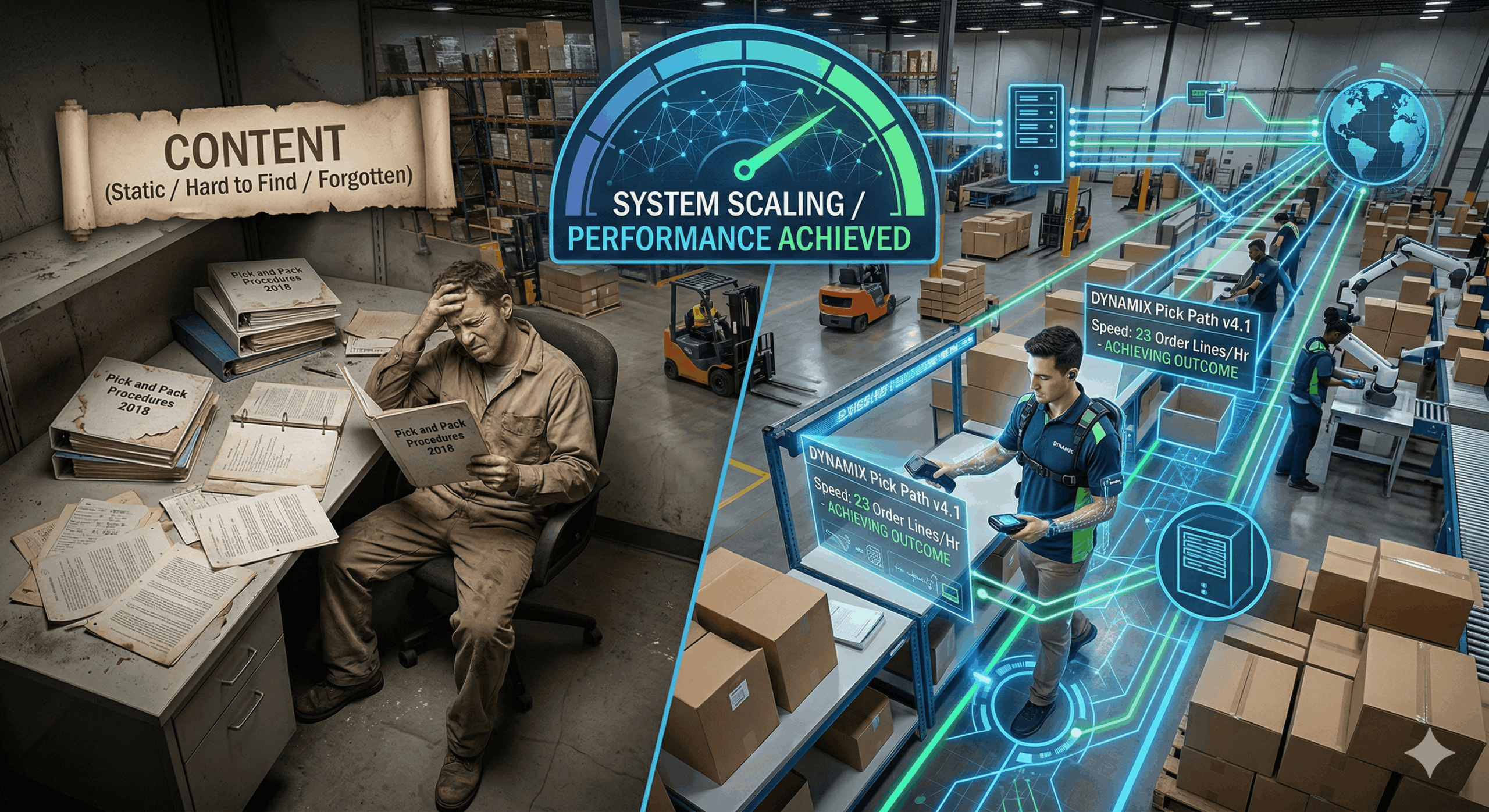
Content doesn’t scale. Systems do

Content is static. Performance is dynamic.

Without a system, content becomes:

  • Hard to find
  • Difficult to apply
  • Disconnected from real work
  • Forgotten over time

This is why many training programs stall.

They produce content—but not outcomes.

High-performing organizations build systems, not libraries

They connect content to execution through structure.

Instead of asking:
“What training should we create?”

They ask:
“How does training drive performance?”

That shift changes everything.
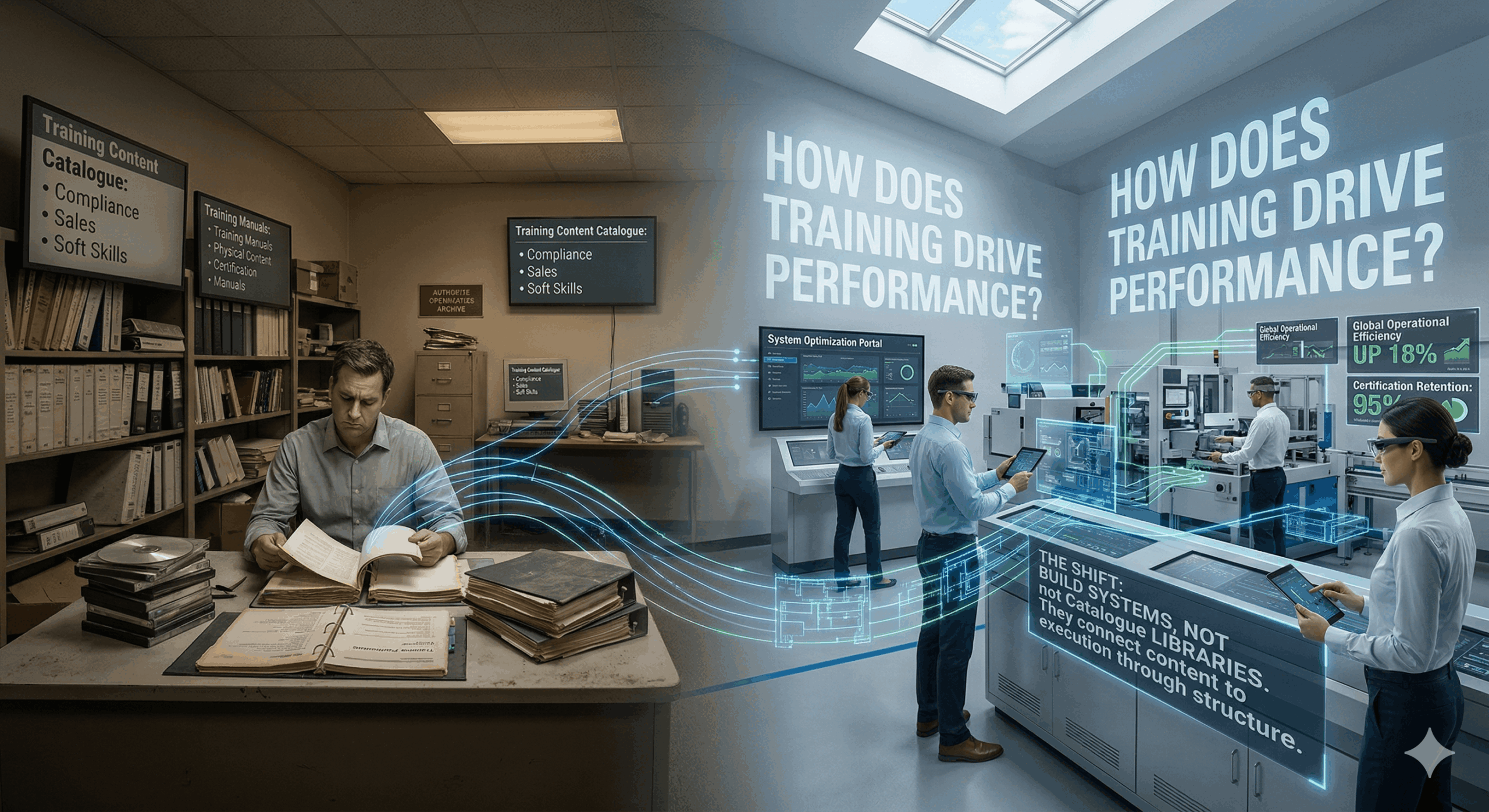
Training infrastructure connects learning to execution

It turns content into a system by embedding it into how work gets done.

Structured learning paths

Training is organized by role and progression, not just topics

Role-based assignments

The right people get the right training automatically
Automated training workflows

Training is triggered by role, timing, or business events

Performance-driven training

Training adjusts based on real-world performance

Certification systems

Capability is verified, tracked, and maintained over time

This is how training becomes operational

Instead of being separate from the business, training becomes part of how the business runs.

  • Onboarding becomes repeatable
  • Execution becomes consistent
  • Knowledge becomes accessible
  • Improvement becomes continuous

Training is no longer an event. It becomes infrastructure.

The shift is simple—but powerful

From:

Content → Libraries

Training → Events

Learning → Optional

To:

Systems → Workflows

Training → Operations

Learning → Performance

This is the difference between:

👉 delivering training and

👉 building a system that drives results

This is why high-performing organizations don’t just build content.

They design systems using proven methodologies like Surefire Training Impact, ensuring that training

Training only matters if it improves performance

Most organizations can tell you:

  • How many courses were completed
  • How many learners were trained
  • How many certifications were issued

But they struggle to answer a more important question:

Did performance actually improve?

This is where most training programs fall short.

They measure activity.

Not outcomes.

This connection between training and performance is not accidental.

It is designed using structured approaches like the Surefire Training Impact methodology, which aligns training to real-world outcomes and continuously improves it based on performance data.

High-performing organizations connect training to real-world results

In effective training infrastructure, training is not separate from operations.

It is directly connected to how the business performs.

This means training is aligned with:

  • Sales performance
  • Service quality
  • Customer experience
  • Compliance metrics
  • Operational KPIs

Training is no longer something people complete.

It becomes something that drives results.

Training becomes part of a performance system

When training is connected to performance, it changes how it is used.

For example:

  • Low performers receive targeted training based on gaps
  • High performers can bypass unnecessary training
  • Certifications reflect real capability—not just course completion
  • Training evolves based on performance data

This creates a continuous loop:

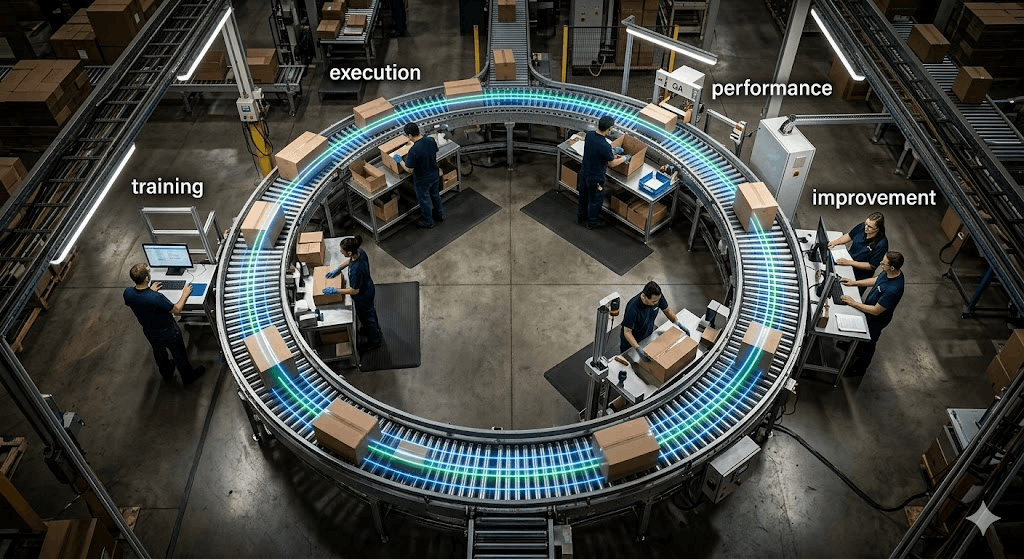
training → execution → performance → improvement

This is how training becomes a driver of operational success—not just a support function.

From reporting to insight

Traditional training reports tell you what happened.

High-performing organizations use training data to understand:

  • Where performance gaps exist
  • Which training drives results
  • How to improve outcomes over time

This is the difference between:

  • Tracking training
    and
  • Managing performance

As seen in large-scale partner environments, integrating training with performance metrics enables organizations to continuously refine and improve outcomes.

The Result

When training is connected to performance:

  • Training becomes more relevant
  • Partners stay engaged
  • Improvement becomes measurable
  • Impact becomes visible

Training stops being a cost. It becomes a lever for performance.

Designing Training Infrastructure Using Surefire Training Impact

Training infrastructure doesn’t happen by accident.

Most organizations don’t plan their training systems.

They build them over time:

  • A course here
  • A certification there
  • A knowledge base added later

The result is a collection of tools and content—not a system.

High-performing organizations design systems intentionally

They don’t start with content. They start with performance.

What do our partners need to know and do to perform successfully?

From there, they build backwards.

At LatitudeLearning, this approach is guided by the Surefire Training Impact™ methodology—a structured way to design training systems that produce measurable outcomes.

A practical approach to designing training infrastructure

Step 1
Step 2
Step 3
Step 4
Step 5
Define Roles

Who needs to be trained?

  • Dealer roles
  • Franchise roles
  • Partner roles
  • Field teams

Training must reflect how your network is structured.

Define Capabilities

What must each role know and do?

  • Skills
  • Knowledge
  • Behaviors

These capabilities define what successful performance looks like in the field.

This is a core principle of the Surefire Training Impact methodology—start with performance, not content.

Build Training Workflows

Training must be structured as a progression—not a collection of courses.

Using the Learn–Do–Teach model:

  • Learn → foundational knowledge
  • Do → applied, real-world practice
  • Teach → reinforcement and validation

This ensures capability—not just completion.

Implement Systems

How will training be delivered and managed?

  • LMS for structured training
  • Knowledge systems for real-time support
  • Automation to scale across the network

This is where training becomes operational.

Measure and Improve

How will success be tracked and refined?

  • Completion and certification data
  • Performance metrics
  • Continuous improvement loops

This creates a continuous loop:

training → execution → performance → improvement

This feedback loop is central to Surefire Training Impact.

Step 1: Define Roles
Step 2: Define Capabilities
Step 3: Build Training Workflows
Step 4: Implement Systems
Step 5: Measure and Improve

Who needs to be trained?

  • Dealer roles
  • Franchise roles
  • Partner roles
  • Field teams

Training must reflect how your network is structured.

What must each role know and do?

  • Skills
  • Knowledge
  • Behaviors

These capabilities define what successful performance looks like in the field.

This is a core principle of the Surefire Training Impact methodology—start with performance, not content.

Training must be structured as a progression—not a collection of courses.

Using the Learn–Do–Teach model:

  • Learn → foundational knowledge
  • Do → applied, real-world practice
  • Teach → reinforcement and validation

This ensures capability—not just completion.

How will training be delivered and managed?

  • LMS for structured training
  • Knowledge systems for real-time support
  • Automation to scale across the network

This is where training becomes operational.

How will success be tracked and refined?

  • Completion and certification data
  • Performance metrics
  • Continuous improvement loops

This creates a continuous loop:
training → execution → performance → improvement
This feedback loop is central to Surefire Training Impact.

This is how training becomes infrastructure

When designed this way:

  • Training is structured
  • Delivery is consistent
  • Progress is measurable
  • Improvement is continuous

Instead of reacting to problems, you build a system that prevents them.

Built for the complexity of partner networks

This approach is especially critical in environments with:

  • Multiple roles
  • Multiple locations
  • Multiple brands
  • Complex certification requirements

In these environments, training must be:

  • Structured
  • Role-specific
  • Scalable
  • Connected to performance

That’s what turns training into infrastructure.
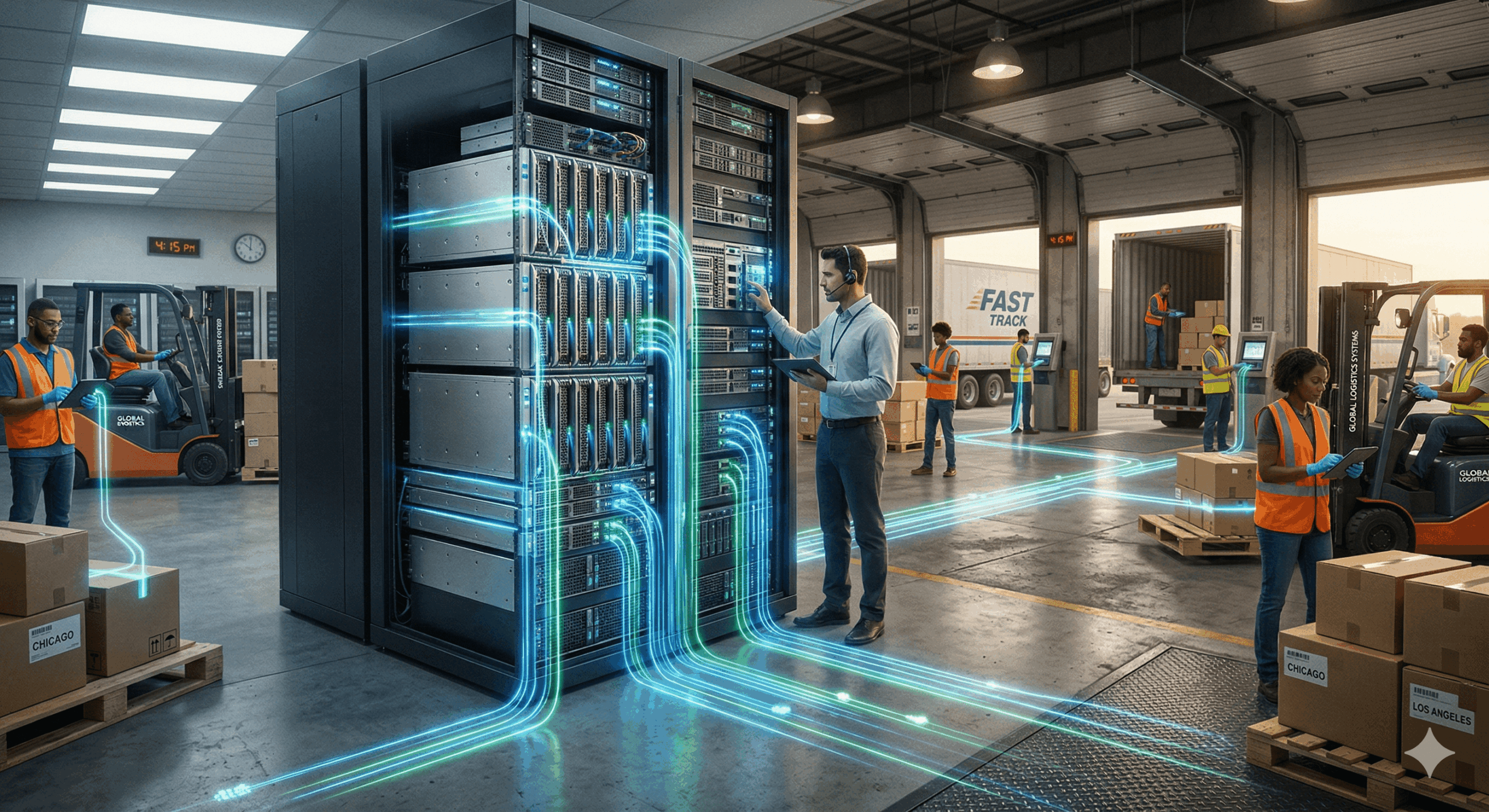
Once the system is defined, technology makes it scalable

Training infrastructure starts with design.

But it only works at scale when it is supported by the right systems.

Without technology:

  • Training becomes manual
  • Processes break down across locations
  • Tracking is inconsistent
  • Scaling becomes difficult

Technology is what turns a well-designed training system into an operational engine.

Two systems power modern training infrastructure

To fully support partner networks, organizations need two types of systems working together:

  • Structured training systems
  • Real-time knowledge systems

Each plays a different role. Together, they create a complete training infrastructure.

1.  Structured Training System

LatitudeLearning LMS

The foundation of your training infrastructure.

This is the system that manages how people learn, progress, and get certified.

It provides the structure behind your training infrastructure.

With the LMS, you can:

  • Deliver role-based learning paths
  • Manage certifications and compliance
  • Automate training assignments and workflows
  • Track progress, completions, and performance
  • Scale training across thousands of partner locations

This is how you turn training into a repeatable, managed system.

2. Real-Time Knowledge

Lumina

AI Knowledge Companion

Not all learning happens in a course.

In the field, partners need answers in the moment of need.

Lumina provides instant access to trusted, company-approved knowledge.

With Lumina, partners can:

  • Get immediate answers to operational questions
  • Search across approved resources
  • Reduce dependency on support teams
  • Reinforce training in real-world situations

This is how you extend training beyond courses into daily execution.

Together, they create a complete system

Each system solves a different part of the problem.

  • The LMS builds capability over time
  • Lumina supports execution in the moment

Together:

  • Training becomes continuous
  • Knowledge becomes accessible
  • Performance becomes more consistent

Start where you are. Expand as you grow

Some organizations begin with structured training.

Others start with knowledge systems to improve field support.

Over time, the most effective organizations combine both.

This creates a natural evolution:
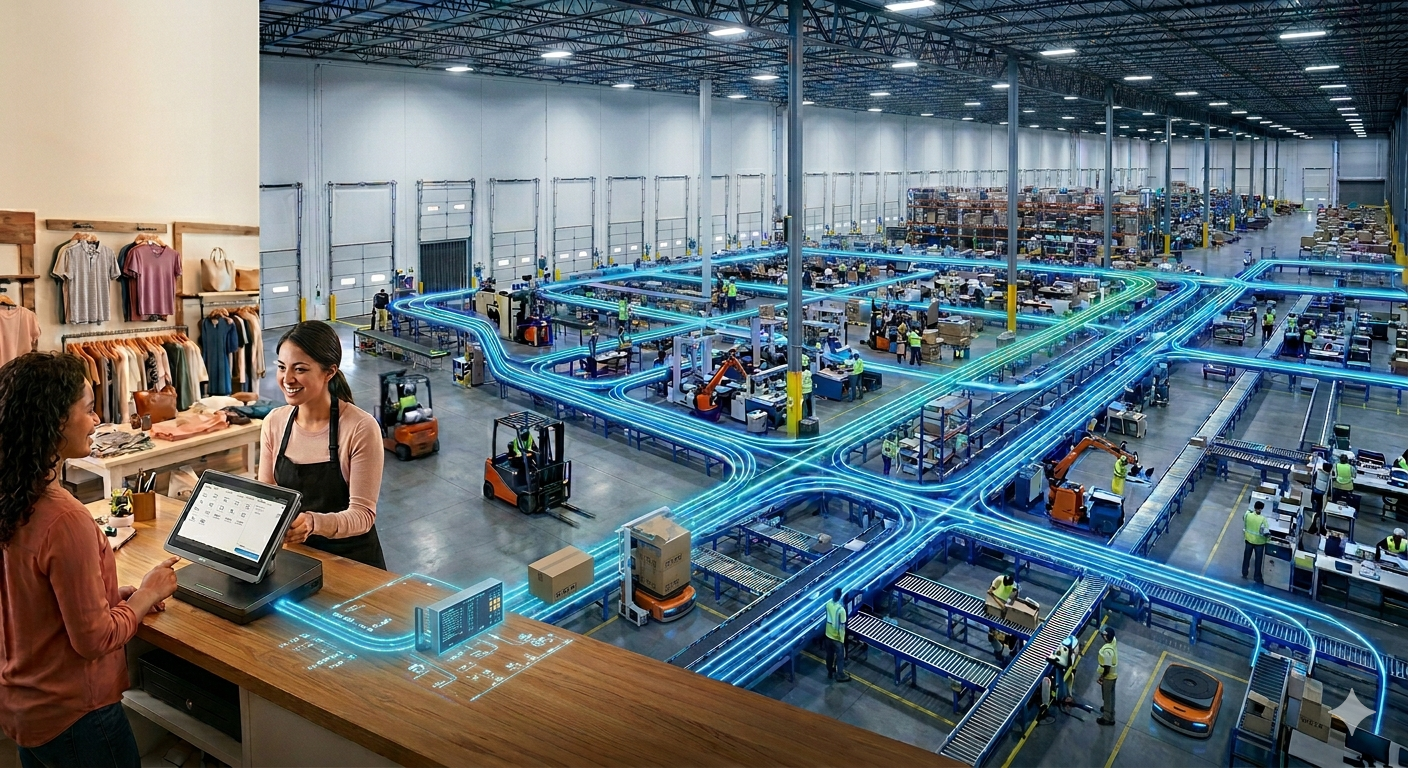
  • Start with knowledge access
  • Introduce structured training
  • Build certification and performance systems
  • Scale across the network

Technology is not the strategy. It enables the strategy.

The goal is not to implement software.

The goal is to build training infrastructure that improves performance.

Technology simply makes that possible—at scale.

Training infrastructure is where channel performance begins

Improving channel performance requires more than content, tools, or one-off initiatives.

It requires a system for how your network:

  • Learns
  • Executes
  • Stays aligned over time

This is the role of the Channel Performance Framework.

And at the base of that framework is training infrastructure.
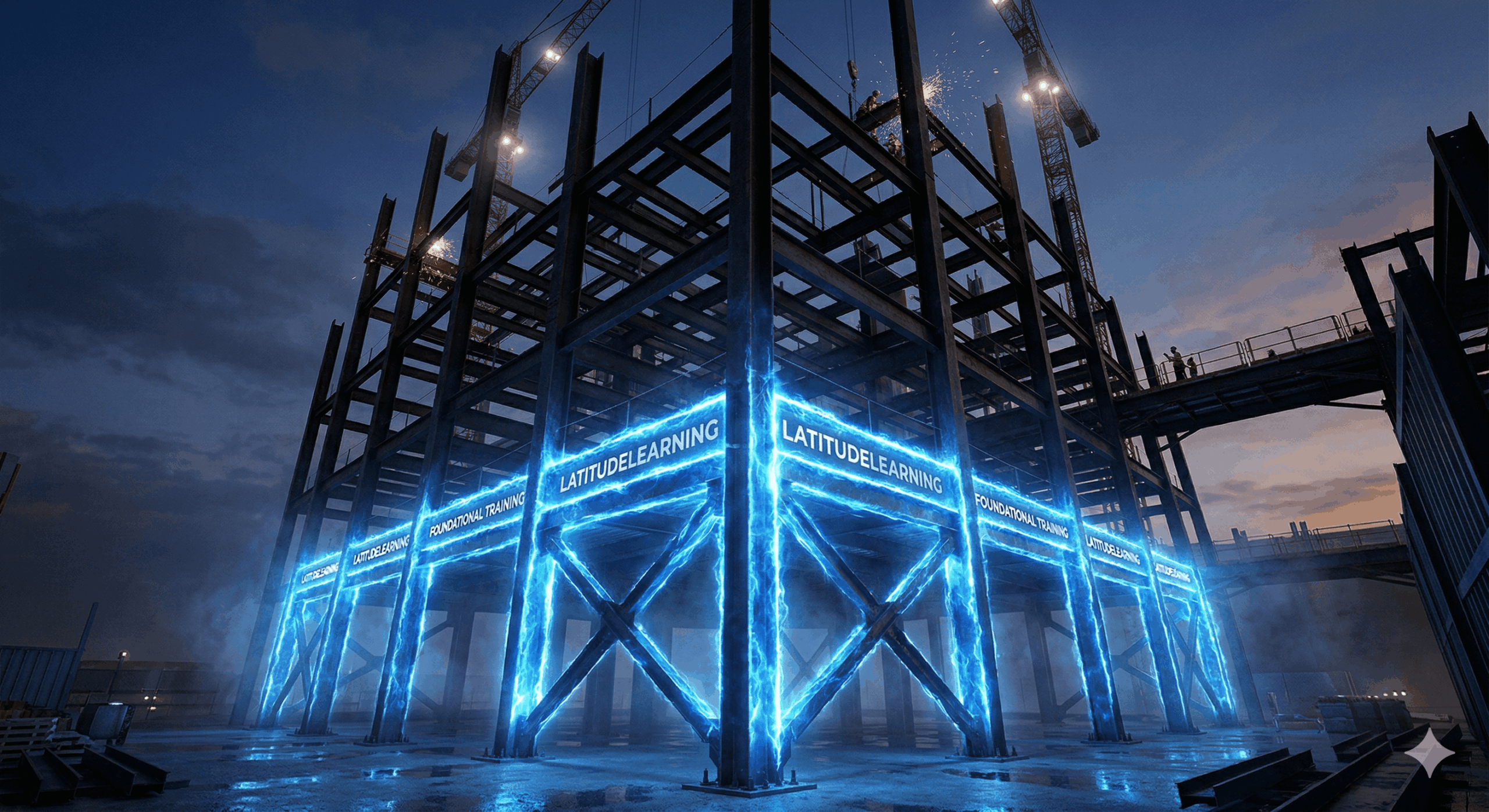
The foundation layer: Training Infrastructure

Training infrastructure is the layer that makes everything else possible.

It creates the systems that:

  • Build partner capability
  • Standardize how work is done
  • Ensure knowledge is consistent across the network

Without this foundation:

  • Execution varies by location
  • Field teams spend time fixing problems instead of improving performance
  • Brand standards become difficult to maintain

With it:

  • Partners start from a common baseline
  • Training is repeatable and scalable
  • Performance can be measured and improved

Training infrastructure is the engine of replication.

Method drives performance, not just systems

Training infrastructure provides the system.

But performance is ultimately driven by how training is designed and applied.

This is why high-performing organizations combine infrastructure with a proven methodology like Surefire Training Impact™.

This ensures that:
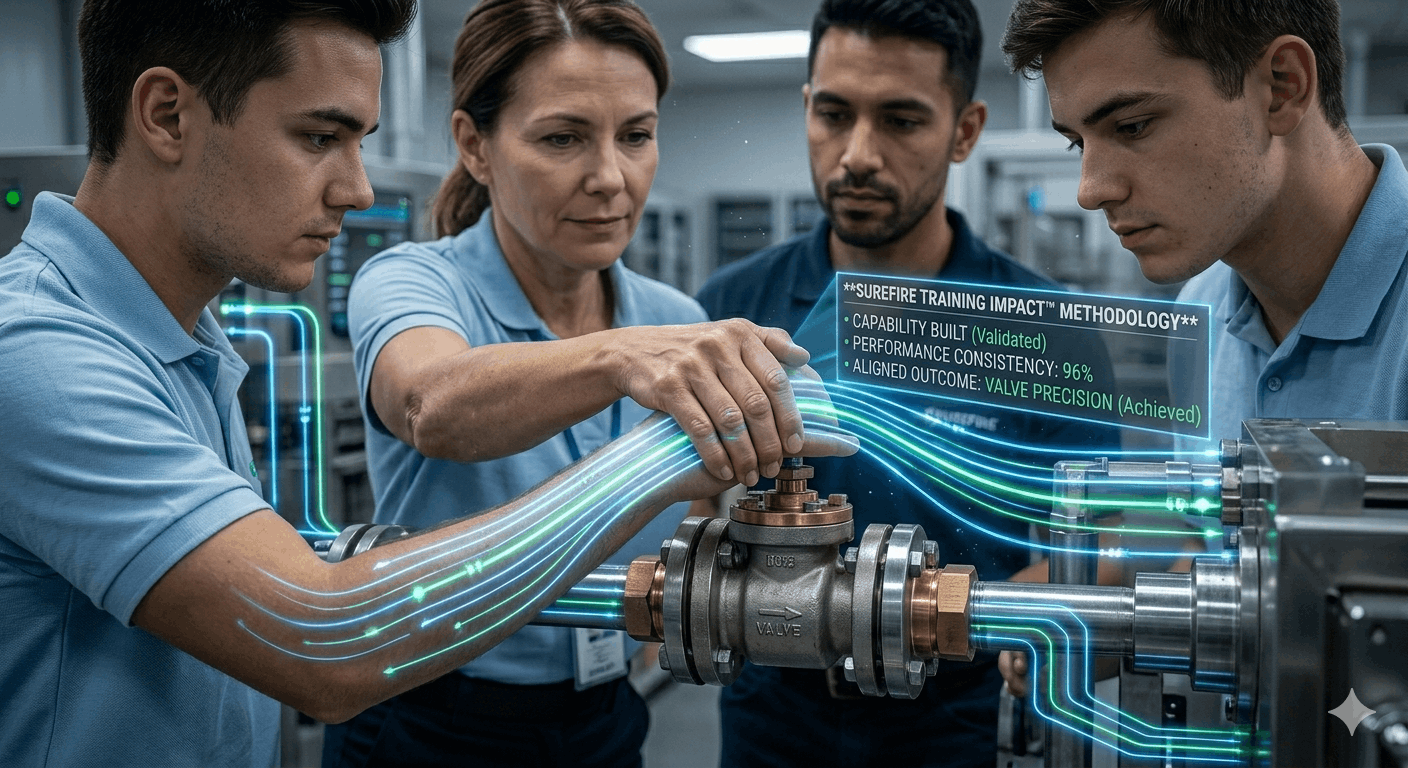
  • Training is aligned to real-world outcomes
  • Capability is built—not assumed
  • Performance improves consistently across the network

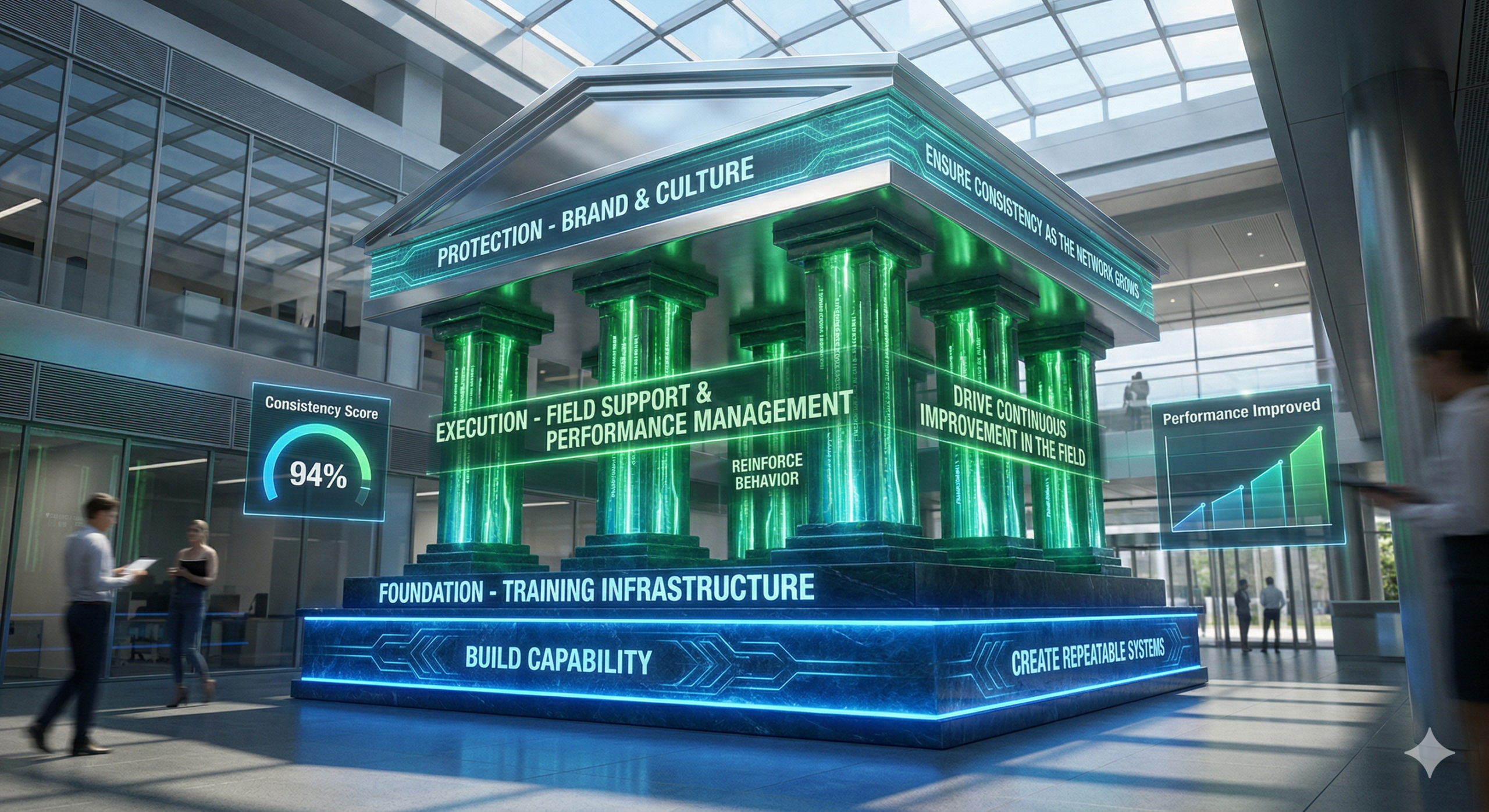
How it connects to the full framework

Training infrastructure is not the entire system. It is the starting point.

From there, performance is reinforced and scaled through additional layers:

Foundation — Training Infrastructure
Build capability and create repeatable systems

Execution — Field Support & Performance Management
Reinforce behavior and drive continuous improvement in the field

Protection — Brand & Culture
Ensure consistency as the network grows

Each layer builds on the one below it. If the foundation is weak, everything above it becomes harder.

Why most organizations struggle

Many organizations try to improve channel performance by focusing on:

  • Field support
  • Incentives
  • Performance management

But without a strong training foundation:

  • Field teams are constantly reacting
  • Performance gaps keep reappearing
  • Improvements don’t scale

They are trying to fix execution without fixing capability.

Why this matters


When training infrastructure is in place:

  • Field support becomes more effective
  • Performance management becomes more accurate
  • Brand consistency becomes easier to maintain

Because everyone is starting from the same baseline.

Build the foundation first

If you want to scale channel performance:

Start with training infrastructure. It is the system that makes everything else work.
 

“If you’re starting to see gaps in how your network learns and performs, you’re not alone.”

Build the system behind your channel performance

If your partner network is growing, training will only become more complex.

More partners.
More locations.
More variation in execution.

At some point, content is no longer enough.

You need a system.

Training infrastructure is that system

It’s how high-performing organizations:

  • Onboard partners faster
  • Ensure consistent execution
  • Reduce errors and support costs
  • Improve performance across the network

The question is not whether you need it.

It’s whether you build it intentionally—or let it evolve into something harder to manage over time.


Explore how to build your training infrastructure

Option 1 — See the Platform
Understand how LatitudeLearning LMS and Lumina support training infrastructure at scale
Option 2 — Talk Through Your Strategy
Discuss your current training approach and identify opportunities to improve performance
Option 3 — Learn the Framework
Explore the full Channel Performance Framework and how training infrastructure fits

The goal isn’t better training

The goal is better performance. Training infrastructure is how you get there.

Frequently Asked Questions

Channel Performance FAQs

What is training infrastructure?

Training infrastructure is the system used to train partners at scale.

Instead of delivering one-off training, it creates a repeatable way for your network to learn, execute, and improve.

It includes:

  • Onboarding programs
  • Product and operational training
  • Certification systems
  • Knowledge access
  • Performance tracking

The goal is simple:
make performance repeatable across your network.

How is training infrastructure different from an LMS?

Many organizations start by looking for an LMS.

But the real challenge is not the tool—it’s the system behind it.

An LMS helps deliver and track training.
Training infrastructure defines:

  • What training is needed
  • Who receives it
  • When it happens
  • How it connects to performance

High-performing organizations don’t just implement an LMS.

They design the system first—then use the LMS to power it.

Why does training break down at scale?

Training works well when your network is small.

As it grows, complexity increases.

You start to see:

  • Inconsistent knowledge across locations
  • Different ways of doing the same work
  • Longer onboarding times
  • Increasing support requests

This isn’t a content problem.

It’s a lack of system. Without training infrastructure, training becomes fragmented and difficult to scale.

Why is training infrastructure important for partner networks?

In partner networks, you don’t directly control how work gets done.

You can only influence it.

Training infrastructure allows you to:

  • Standardize execution across locations
  • Ensure partners follow the same playbook
  • Improve consistency and customer experience
  • Scale training without increasing complexity

It turns training into a lever for performance—not just support.

What are the core components of training infrastructure?

Most training infrastructure systems are built around five core components:

  1. Onboarding
  2. Product training (sales and service)
  3. Operational training
  4. Certification and compliance
  5. Knowledge support

Individually, these are training initiatives. Together, they form a system that supports both learning and execution.

How do you connect training to performance?

This is where training becomes truly valuable.

Instead of tracking activity, high-performing organizations connect training to outcomes.

They:

  • Align training with KPIs (sales, service, compliance)
  • Assign training based on performance gaps
  • Validate capability through certification
  • Continuously improve training based on results

This creates a loop:

training → execution → performance → improvement

That’s how training moves from cost center to performance driver.

What is the best way to train dealers, distributors, and franchisees?

The most effective approach is structured and role-based.

Training should reflect how your network actually operates.

This includes:

  • Defined learning paths for each role
  • A mix of online, instructor-led, and on-the-job training
  • Certification requirements
  • Ongoing reinforcement and recertification

In real-world environments, training must verify capability—not just deliver content.

Can you start with knowledge before building full training programs?

Yes—and many organizations do.

If your biggest challenge is field support or inconsistent answers, starting with a knowledge system can deliver immediate value.

This helps:

  • Reduce support requests
  • Improve response times
  • Centralize existing resources

From there, you can layer in structured training and certification.

This creates a natural path from knowledge → training → performance systems.

How does AI support training infrastructure?

AI enhances training infrastructure by supporting partners in real time.

Instead of searching through documents or waiting for support, users can:

  • Get instant answers from approved resources
  • Resolve issues faster in the field
  • Reinforce what they’ve learned during execution

AI doesn’t replace training. It extends it into everyday work.

How do you scale training across thousands of partner locations?

Scaling training requires more than content.

It requires systems designed for complexity.

This includes:

  • Automated training assignments
  • Role-based learning paths
  • Centralized content and knowledge
  • Consistent certification standards
  • Infrastructure built for distributed users

Without this, training becomes manual—and breaks under scale.

If you’re starting to see gaps in how your network learns and performs, you’re not alone.

We work with organizations to:

  • Assess current training systems
  • Identify performance gaps
  • Design scalable training infrastructure