

Organizations today are redefining what it means to build and scale a channel. Traditional models have long relied on structured systems such as franchise networks, dealer channels, and partner ecosystems that depend on formal onboarding, standardized processes, and tightly managed execution. These systems are designed to create consistency, ensure alignment, and support long-term operational performance.
A new model is emerging that challenges these assumptions. Instead of formalized partner structures, some organizations are building distributed ecosystems composed of independent contributors who operate with greater autonomy. These individuals are not employees, nor are they traditional resellers. They are creators, ambassadors, and affiliates who extend the reach of a brand through content and digital engagement.
This shift introduces both opportunity and complexity. Without structure, consistency becomes difficult to maintain. Without alignment, performance becomes unpredictable. Yet when managed effectively, these ecosystems can scale rapidly and reach audiences that traditional models often cannot.
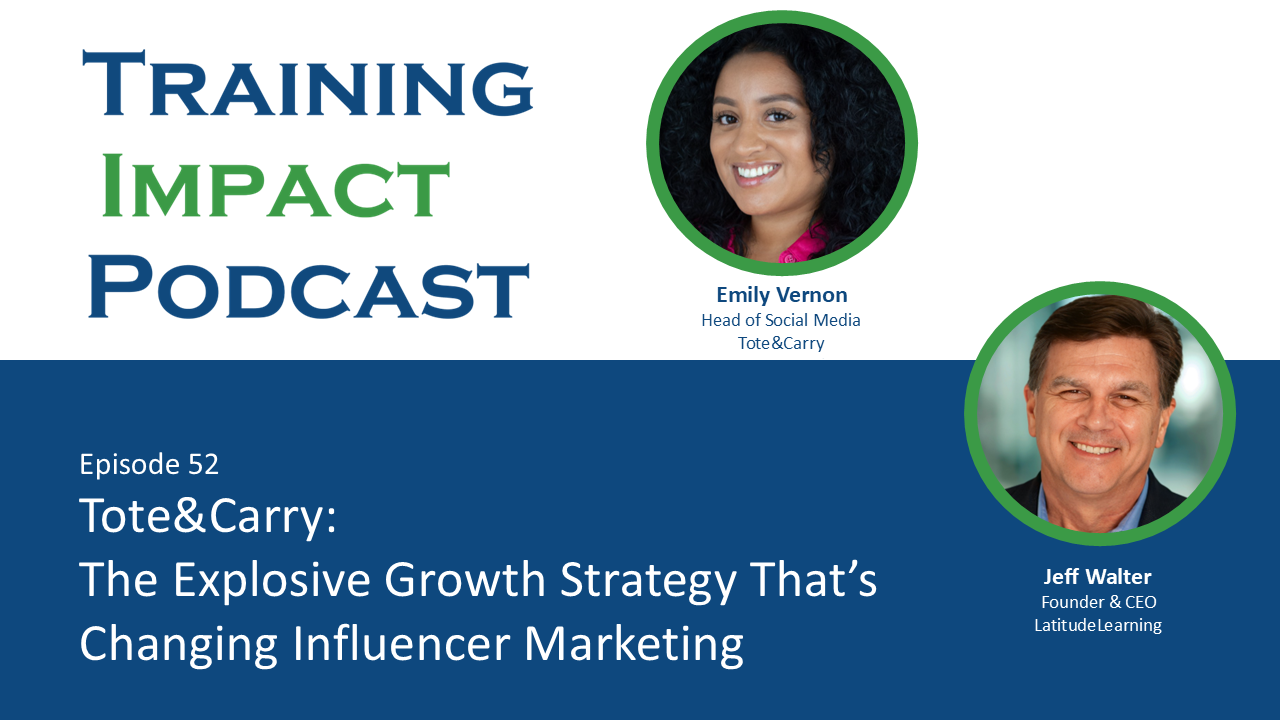
The Tote&Carry model illustrates how a distributed, influencer-driven ecosystem can function as a modern extension of the enterprise while still maintaining a level of alignment that supports growth and performance.
Tote&Carry operates within the direct-to-consumer retail space, offering products positioned as affordable luxury. The brand focuses on travel and lifestyle goods that combine design with accessibility, appealing to a digitally native audience.
Rather than relying on physical retail or traditional distribution channels, the organization has built its growth strategy around digital platforms. Central to this approach is a network of ambassadors and affiliates who create and distribute content that introduces products to their audiences.
This structure reflects a broader shift toward decentralized engagement models. Instead of a controlled, top-down channel, the organization operates through a distributed network of contributors who collectively influence brand perception and drive demand.
This model shares similarities with extended enterprise structures, where external participants contribute to revenue generation and brand representation. In many ways, it aligns with the principles of extended enterprise training, where organizations must coordinate, guide, and enable individuals outside their direct control to deliver consistent outcomes across a distributed system.
However, unlike traditional partner networks, this ecosystem operates with less formal structure. Participants are not bound by rigid operational requirements. Their effectiveness depends on alignment, engagement, and the ability to represent the brand authentically within their own content.
The flexibility of this model introduces a unique set of challenges that parallel, and in some cases intensify, those found in traditional channel systems.
Alignment is one of the most significant challenges. In structured environments, organizations rely on defined onboarding and training processes to ensure consistency. In a decentralized ecosystem, alignment must be achieved through guidance rather than control. Without clear expectations, contributors may produce content that diverges from the intended brand identity.
Variability in performance presents another challenge. Some contributors generate meaningful engagement and revenue, while others produce minimal results. This uneven distribution requires ongoing evaluation and a willingness to continuously refine the network.
Audience alignment also emerges as a critical factor. Initial assumptions about target demographics may not always align with actual engagement patterns. As data reveals where traction exists, organizations must adapt their strategies to reflect real-world behavior rather than preconceived notions.
Content expectations have also shifted. Highly produced, polished marketing assets are no longer the sole driver of engagement. Increasingly, audiences respond more strongly to authenticity and relatability, creating tension between traditional branding standards and emerging consumer preferences.
In more structured environments such as franchise training systems, organizations mitigate these challenges through standardized processes, role-based learning, and controlled execution. In contrast, decentralized influencer ecosystems must achieve similar outcomes through more flexible and adaptive approaches.
To address these challenges, Tote&Carry has implemented a combination of structured processes and adaptive practices that support both alignment and scalability.
Clear content guidelines serve as a foundational element. By defining expectations around deliverables, tone, and presentation, the organization establishes a framework that guides contributors while still allowing for individual creativity. This balance ensures that content remains consistent with the brand without restricting authenticity.
The organization also utilizes technology to identify and recruit contributors. AI-enabled platforms help surface individuals whose audiences and content styles align with the brand’s objectives. This allows for efficient scaling while maintaining relevance.
At the same time, direct outreach plays a critical role. Personal engagement fosters stronger relationships and helps establish a shared understanding of expectations. This human element reinforces alignment and increases the likelihood of long-term collaboration.
Performance measurement is central to the model. Metrics such as revenue, engagement, and conversion rates provide a clear basis for evaluating effectiveness. These metrics inform decisions about which contributors to prioritize and how to allocate resources.
A tiered structure further reinforces performance alignment. Contributors progress through levels based on measurable outcomes, creating a system that incentivizes consistent contribution and continuous improvement.
Although the ecosystem operates with a high degree of flexibility, structured evaluation remains essential to its effectiveness.
The selection process functions as an initial screening mechanism, identifying individuals whose content and audience align with the brand. This early evaluation reduces variability and increases the likelihood of successful engagement.
Content briefs and guidelines act as a form of onboarding, providing contributors with the information they need to represent the brand effectively. These materials serve a similar purpose to training resources in more traditional systems, establishing expectations and reducing ambiguity.
Ongoing performance measurement provides continuous feedback. Contributors are evaluated based on tangible outcomes, enabling the organization to identify high performers and refine its network over time.
This approach mirrors key principles found in extended enterprise learning environments, where structured evaluation and role clarity are essential for aligning external participants with organizational objectives.
The practices observed in this model offer important insights for training and development, particularly in distributed environments.
Alignment at the point of entry has a direct impact on the effectiveness of downstream enablement. When participants begin with a clear understanding of expectations, training efforts become more focused and effective.
This principle is equally relevant in customer training strategies, where aligning content to the end-user experience improves engagement, retention, and long-term value. In both cases, early alignment reduces the need for corrective intervention later in the process.
Conversely, misalignment at the outset can limit the impact of even the most well-designed training programs. Without a shared understanding of objectives, additional training may fail to produce the desired outcomes.
These dynamics highlight the importance of integrating selection, onboarding, and ongoing development into a cohesive system. Structured enablement should not be viewed as a single phase, but as a continuous process that supports performance over time.
As the organization continues to expand, its approach reflects a focus on disciplined growth and operational alignment.
Channel diversification plays a key role. In addition to its core model, the organization utilizes complementary platforms to manage inventory and reach different segments of the market. These channels serve distinct purposes, allowing the organization to optimize performance across multiple dimensions.
Product focus is another critical factor. By concentrating on a core set of high-performing items, the organization simplifies its messaging and improves efficiency. This focus enhances discoverability and reinforces brand identity.
Pricing strategy further supports this alignment. Maintaining the perceived value of premium products while leveraging alternative channels for discounted inventory allows the organization to balance brand integrity with operational needs.
These strategies demonstrate a deliberate approach to scaling. Rather than pursuing growth indiscriminately, the organization prioritizes alignment between product, channel, and audience.
The relationships within this ecosystem evolve over time, reflecting both performance and alignment.
High-performing contributors are given opportunities to deepen their involvement, creating a pathway for sustained engagement. This progression reinforces their connection to the brand and encourages continued contribution.
At the same time, the organization maintains flexibility to adapt its network as conditions change. This balance between stability and adaptability allows the system to remain responsive while preserving its core structure.
These dynamics underscore the importance of early alignment. Decisions made during the initial stages of engagement have lasting implications for performance and consistency.
In distributed systems, this lifecycle perspective is essential. Partner selection, onboarding, and ongoing development are interconnected processes that collectively shape long-term outcomes.
The Tote&Carry model represents a significant evolution in channel development. By building a distributed ecosystem of ambassadors and affiliates, the organization has created a scalable framework for reaching new audiences and driving growth.
At the same time, it has demonstrated that flexibility does not eliminate the need for structure. Clear expectations, structured evaluation, and performance-based progression are essential for maintaining alignment and consistency.
These principles are directly applicable to broader partner enablement and extended enterprise training models. Regardless of the specific channel, the ability to align external participants with internal objectives remains a critical factor in success.
As organizations continue to explore new approaches to growth, the balance between autonomy and structure will become increasingly important. Those that invest in thoughtful enablement processes will be better positioned to achieve sustainable performance across distributed systems.
For more information on Tote&Carry, visit their website – https://www.totencarry.com/