
Training programs rarely receive public recognition when they are working well. Their impact is often measured not by visible activity but by the absence of problems. Workers follow correct procedures, safety risks decline, and organizations maintain compliance with complex regulatory requirements. In industries where safety is paramount, this type of preventative impact can shape the reliability of an entire professional ecosystem.
The automotive repair industry offers a powerful example of this dynamic. Every day, technicians handle chemicals, refrigerants, batteries, and other materials that must be managed with care. These materials move through repair shops, dealerships, warehouses, and transportation networks. If handled incorrectly, they can create safety hazards for workers and communities.
This episode of the Training Impact Podcast features Katherine Henmueller, President and Chief Operating Officer of the Coordinating Committee for Automotive Repair, widely known as CCAR. The conversation explores how specialized training programs help protect workers and strengthen compliance standards throughout the automotive service industry.
For learning and development leaders, the discussion highlights an important concept. Some of the most effective training programs function as infrastructure. They create shared standards of knowledge and behavior that support entire industries. When those systems operate effectively, they help organizations maintain safety, regulatory compliance, and operational consistency.
Katherine Henmueller’s leadership role at CCAR reflects more than a decade of professional experience within the organization. Her career journey illustrates how learning cultures within organizations can cultivate leadership and operational expertise.
Henmueller began her career at CCAR in a customer service role. Over time she moved into positions that involved program coordination, operational leadership, and industry collaboration. Through this progression she developed a deep understanding of both the training programs CCAR delivers and the regulatory environment surrounding hazardous materials management.
Working within a relatively small organization offered the opportunity to gain exposure to multiple aspects of the business. Henmueller became familiar with the day to day realities faced by automotive technicians, repair shop operators, logistics providers, and educators who rely on CCAR training programs.
This hands on experience shaped her leadership perspective. She understands that compliance training must balance technical accuracy with practical usability. Programs must reflect current regulations while remaining accessible for technicians and service professionals who operate in fast paced environments.
Her career progression within CCAR also demonstrates how exposure to different operational functions can strengthen leadership capabilities. By working across customer support, program management, and operational oversight, she gained a comprehensive view of how training programs support the automotive industry.
The Coordinating Committee for Automotive Repair emerged during a period when environmental and safety concerns were becoming increasingly visible within the automotive repair industry. In the early 1990s, regulators and industry leaders recognized the need for stronger educational resources that could help repair facilities manage hazardous materials safely.
CCAR was originally established through a grant from the Environmental Protection Agency. The initiative aimed to provide training and educational resources that would help repair facilities address environmental responsibilities and hazardous materials compliance.
Automotive repair facilities routinely handle substances such as solvents, refrigerants, oils, and batteries. Improper handling of these materials can lead to environmental contamination, worker injuries, or transportation hazards.
The training programs developed through the initiative helped introduce standardized procedures that repair facilities could follow to improve safety and environmental stewardship.
Over time, the organization evolved beyond its original grant funded structure and became a self sustaining nonprofit dedicated to safety education within the automotive repair industry. CCAR expanded its programs to include hazardous materials shipping compliance and other safety focused training initiatives.
One significant milestone involved collaboration with industry organizations to develop specialized training addressing hazardous materials transportation regulations. Improper packaging and shipment of automotive components had previously contributed to accidents within transportation systems. By educating industry professionals about proper packaging, labeling, and documentation procedures, CCAR’s programs helped reduce these risks.
Today the organization continues to serve technicians, dealerships, educators, and industry partners across the United States. Its training programs help professionals maintain safe workplaces while complying with complex regulatory frameworks.
The automotive repair industry includes a broad network of professionals who interact with hazardous materials in different ways. Technicians work directly with chemicals and vehicle components. Service managers oversee operational compliance. Logistics professionals manage packaging and transportation requirements for automotive parts.
Educational institutions must also prepare future technicians to enter the workforce with an understanding of safety procedures and environmental responsibilities.
Because of this complexity, CCAR’s training programs support a wide variety of learners across the industry. Trade schools incorporate safety education into their curriculum to introduce students to professional standards. Repair shops use training programs to maintain compliance with hazardous materials regulations. Dealership networks rely on training to ensure technicians understand proper materials handling procedures.
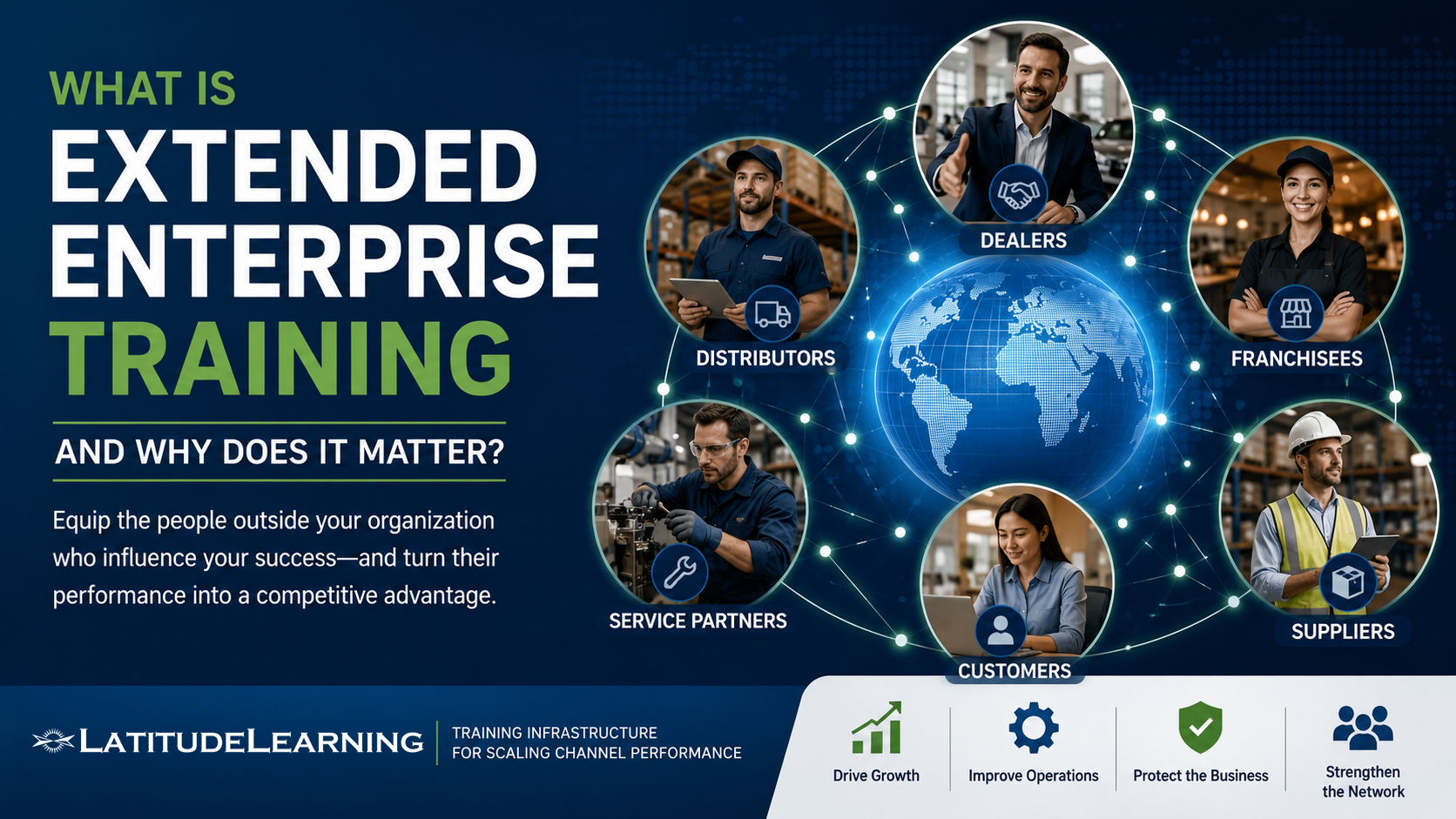
In practice, the organization’s programs support an extended network of professionals who operate across thousands of independent businesses. This type of distributed training environment closely resembles the concept of extended enterprise training, where organizations must educate partners, contractors, and service providers who operate outside traditional corporate boundaries but still play a critical role in delivering services.
In industries with decentralized workforces, consistent training becomes essential. When professionals across independent businesses share a common understanding of safety procedures, the entire ecosystem becomes more reliable.
The automotive repair sector demonstrates this clearly. Technicians working in independent shops, dealership service centers, and multi location operations must follow the same safety standards. Training programs that establish shared knowledge help ensure that those standards remain consistent regardless of where the work is performed.
Compliance training often carries a reputation for being routine or obligatory. Many workers approach regulatory training programs as tasks they must complete rather than opportunities to build professional knowledge.
This perception creates a challenge for organizations responsible for delivering safety education.
Hazardous materials training often focuses on preventing incidents that many workers may never personally witness. A technician who has never experienced a chemical accident or transportation incident may not immediately recognize the importance of regulatory procedures.
Similarly, employees responsible for packaging or shipping automotive components may not fully appreciate the risks associated with improper labeling or documentation.
For training providers, the challenge lies in communicating why safety procedures matter even when the risks are not immediately visible.
Programs must connect regulatory requirements with real world consequences. Workers need to understand how safety procedures protect colleagues, transportation partners, and the communities where they operate.
When compliance training successfully communicates this context, learners are more likely to recognize its value.
One of the most interesting insights from the conversation is the observation that effective safety training often becomes invisible.
When workers consistently follow correct procedures, incidents decline. Hazardous materials are handled properly. Transportation systems operate safely. Environmental regulations are followed without disruption.
Because the training prevents problems before they occur, the impact may not always be obvious.
This phenomenon mirrors other forms of infrastructure within society. People rarely think about water systems or transportation networks until something goes wrong. When those systems operate effectively, they simply fade into the background of daily life.
Safety training functions in a similar way. When programs succeed, technicians perform tasks safely without hesitation. Compliance becomes part of routine operations. Organizations experience fewer incidents and disruptions.
The absence of accidents becomes the strongest indicator that the training program is working.
For learning leaders, this perspective offers an important lesson about measuring training impact. Preventing negative outcomes can be just as meaningful as improving measurable performance metrics.
CCAR’s work illustrates how training programs can function as operational infrastructure within an industry.
By establishing shared educational standards around hazardous materials handling and environmental compliance, the organization helps ensure that professionals across the automotive service sector follow consistent procedures.
This consistency benefits multiple stakeholders. Repair facilities operate more safely. Transportation providers encounter fewer hazardous shipments. Customers benefit from higher standards of environmental responsibility.
For learning leaders, this model highlights the strategic importance of training programs that extend beyond internal employees. Industries that rely on distributed service networks must often educate partners, contractors, and external stakeholders as part of their operational strategy.
In many cases, these stakeholders interact directly with customers. This is why structured customer training initiatives have become increasingly important in industries where product knowledge and safety procedures influence service quality.
Similarly, businesses that operate through distributed service locations often rely on training models similar to franchise training environments, where standardized procedures must be delivered across geographically dispersed operations.
CCAR demonstrates how these types of training systems can support industry wide consistency and safety.
While the podcast episode provides valuable insight into CCAR’s approach to training, readers interested in exploring the structure of the program in greater depth can review the companion case study titled:
CCAR: Strengthening Automotive Safety Through Hazardous Materials Training
The case study offers a more structured examination of how the program operates. It explores the types of learners involved, the training architecture supporting the program, and the operational challenges associated with delivering safety education across a national industry network.
It also analyzes the program through the framework of the LatitudeLearning Training Program Roadmap, which outlines how training programs evolve from basic knowledge sharing into systems that support measurable operational outcomes.
For learning leaders evaluating their own programs, this deeper exploration provides useful insight into how structured training strategies can support compliance, safety, and performance.
The discussion with Katherine Henmueller highlights several lessons that extend beyond the automotive repair industry.
First, training programs often deliver their greatest value through prevention rather than visible performance improvements.
Second, industries with distributed workforces must frequently design training programs that reach learners across independent organizations.
Third, compliance education becomes more effective when it connects regulatory requirements to real world operational outcomes.
Finally, training programs can play a crucial role in establishing shared industry standards that protect workers, businesses, and customers.
These insights apply across many industries that rely on complex supply chains, distributed service networks, and regulated operational environments.
The Training Impact Podcast episode featuring Katherine Henmueller provides a thoughtful exploration of how specialized training programs influence safety and compliance across an entire industry.
CCAR’s work demonstrates that training programs can do more than transfer knowledge. They create shared operational standards, reduce safety risks, and support regulatory compliance across thousands of businesses.
For learning leaders and operational stakeholders, the conversation serves as a reminder that training programs often function as invisible infrastructure supporting the industries we rely on every day.
When designed effectively, training becomes an essential component of operational stability, safety, and long term industry trust.
🎧 To explore the full conversation, listen to the Training Impact Podcast episode featuring Katherine Henmueller of CCAR.
📄 Download the companion case study: CCAR: Strengthening Automotive Safety Through Hazardous Materials Training
🌐 Learn more about CCAR on their website: https://ccar-greenlink.org/about-us/