
Channel performance is often defined by results—revenue, sales volume, customer satisfaction, and service quality. Those metrics are important, but they are not the definition. They are the output. The real definition of channel performance is much deeper and far more operational. It is not about what your best partners achieve. It is about whether your entire partner network can produce consistent, repeatable results over time.
True channel performance is the ability to generate predictable, scalable, and consistent outcomes across your partner ecosystem. It means performance is not dependent on a handful of top performers or isolated locations. Instead, it is built into the system itself, so that partners who follow the model can reliably achieve expected outcomes. This shift—from individual success to system-driven performance—is what separates high-performing channel organizations from those that struggle with inconsistency.
Most organizations believe they have strong channel performance because they can point to successful partners. There are always standout dealers, top-performing franchise locations, or high-producing resellers. But when you analyze the full network, a different picture emerges. Performance varies widely across partners, results depend heavily on individual talent, and success is often not transferable from one location to another.
This creates a fragile system. Growth becomes difficult to predict because outcomes are inconsistent. Underperforming partners drag down overall results, while high performers become exceptions rather than the standard. In this environment, leadership cannot confidently forecast performance, and scaling the network introduces more variability instead of more stability. This is not channel performance—it is fragmented execution.
Channel performance begins when success is no longer tied to individuals but instead is embedded in the operating system of the partner network. The goal is not perfection or identical results across every partner. The goal is predictability. If two partners follow the same program, they should produce similar outcomes within a reasonable range. That consistency is what allows organizations to scale.
This requires a fundamental shift in thinking. Instead of asking, “Who are our top performers?” the question becomes, “What system produces performance across all partners?” When performance is system-driven, it becomes teachable, repeatable, and improvable. It also becomes measurable in a way that leadership can trust, because results are no longer random—they are the product of a defined structure.
Channel performance still shows up in metrics, but the focus is not just on the numbers themselves—it is on how those numbers behave across the network. Revenue, sales conversion, unit volume, customer satisfaction, warranty efficiency, and service performance all remain critical indicators. However, the real signal of channel performance is consistency across partners, not isolated peaks.
When performance is aligned across the network, these metrics become stable and predictable. Variability narrows, outliers become less extreme, and performance trends become easier to forecast. This is what allows organizations to move from reactive management to proactive strategy. Instead of constantly addressing underperformance, leadership can focus on optimizing a system that already works.
Many organizations attempt to improve channel performance through isolated initiatives. They introduce new training programs, launch marketing campaigns, or adjust incentive structures. While these efforts can produce short-term improvements, they rarely lead to sustained performance gains because they are not built on a unified foundation.
The issue is not effort—it is fragmentation. Without alignment across the core elements of the partner system, variability will always return. Training without operational standards creates inconsistency. Marketing without execution discipline produces uneven results. Incentives without capability development lead to short-lived spikes rather than sustained performance. Channel performance cannot be achieved through disconnected programs. It requires a coordinated system.
At its core, channel performance is built on a strong and consistent foundation that every partner operates within. This foundation ensures that execution is not left to interpretation but is guided by clear, repeatable standards.
The first element is a brand and marketing engine at the local level. Partners must be able to generate demand in a way that aligns with the company’s positioning and messaging. Without this, revenue becomes inconsistent because each partner approaches the market differently. A structured marketing approach ensures that demand generation is predictable across locations.
The second element is operational standardization. Partners need defined processes for sales, service, and customer interactions. This standardization removes guesswork and ensures that customers receive a consistent experience regardless of location. It also makes performance measurable, because execution follows a known model.
The third element is partner economics. Performance must be financially viable for partners. If the economic model does not work, partners will deviate from the system to protect their margins. Clear, aligned economics ensure that partners are incentivized to follow the program rather than work around it.
Once the foundation is established, channel performance is driven by a broader system of interconnected disciplines. These elements ensure that performance is not only achieved but sustained and improved over time.
The partner development system is the structured approach used to identify, attract, and convert potential partners into signed partners within your network. It defines the process, stages, and actions required to move prospects from initial engagement through qualification and agreement, creating a repeatable system for growing your partner ecosystem.
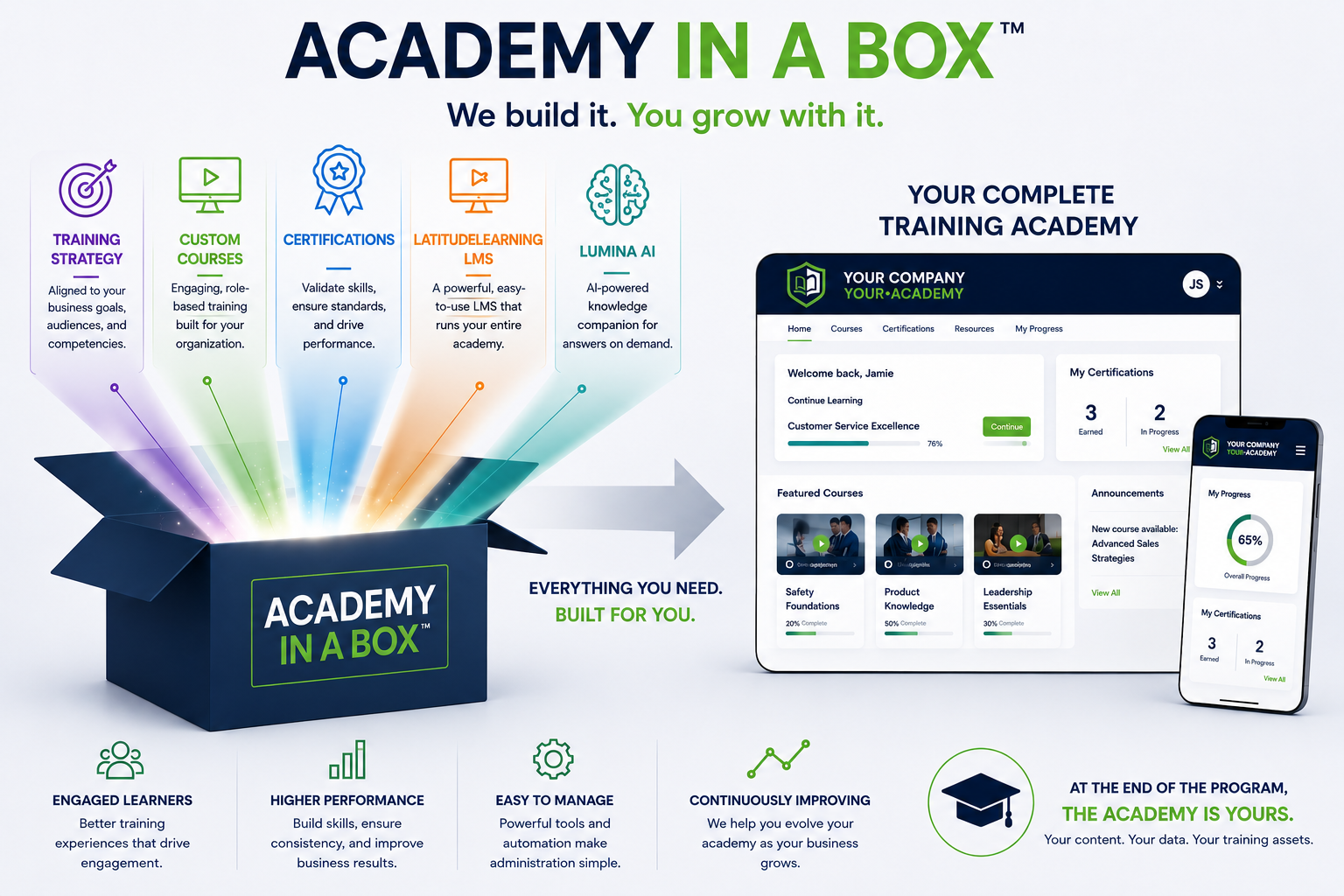
Training infrastructure is the replication engine that enables partners to execute the system effectively. Training is often treated as content delivery rather than as a system for building capability. In high-performing networks, training ensures that every role knows what to do, how to do it, and how to do it consistently. It reinforces standards, supports onboarding, and enables continuous improvement across the network. As demonstrated in the Surefire Training Impact™ approach, training must move beyond knowledge transfer and into structured capability development tied directly to performance outcomes.
Field support and performance measurement provide visibility into how partners are performing and where improvements are needed. This allows organizations to coach, guide, and optimize performance continuously.
Finally, brand and culture protection ensures that partners represent the company correctly. This goes beyond process compliance and into how the brand is experienced in the market.
Together, these disciplines create a system where performance is engineered rather than left to chance.
The ultimate goal of channel performance is predictability. Growth without predictability introduces risk, because it cannot be reliably forecasted or scaled. When performance is predictable, organizations gain control over their partner ecosystem. They can onboard new partners with confidence, improve underperforming locations systematically, and replicate success across the network.
Predictability also changes how leadership views the channel. Instead of being a variable that must be managed, it becomes a strategic asset that drives consistent results. This shift is what allows organizations to scale effectively without increasing complexity or uncertainty.
Channel performance is not something you measure after the fact. It is something you build intentionally. It is the result of a system that aligns training, operations, economics, and brand execution across every partner.
When that system is in place, performance stops being inconsistent and starts becoming reliable. Partners know what is expected, how to execute, and how success is achieved. Leadership gains visibility and control. And the network as a whole begins to perform as a unified system rather than a collection of independent operators.
That is the real definition of channel performance—not just results, but predictable, scalable, and consistent performance across your partner network.