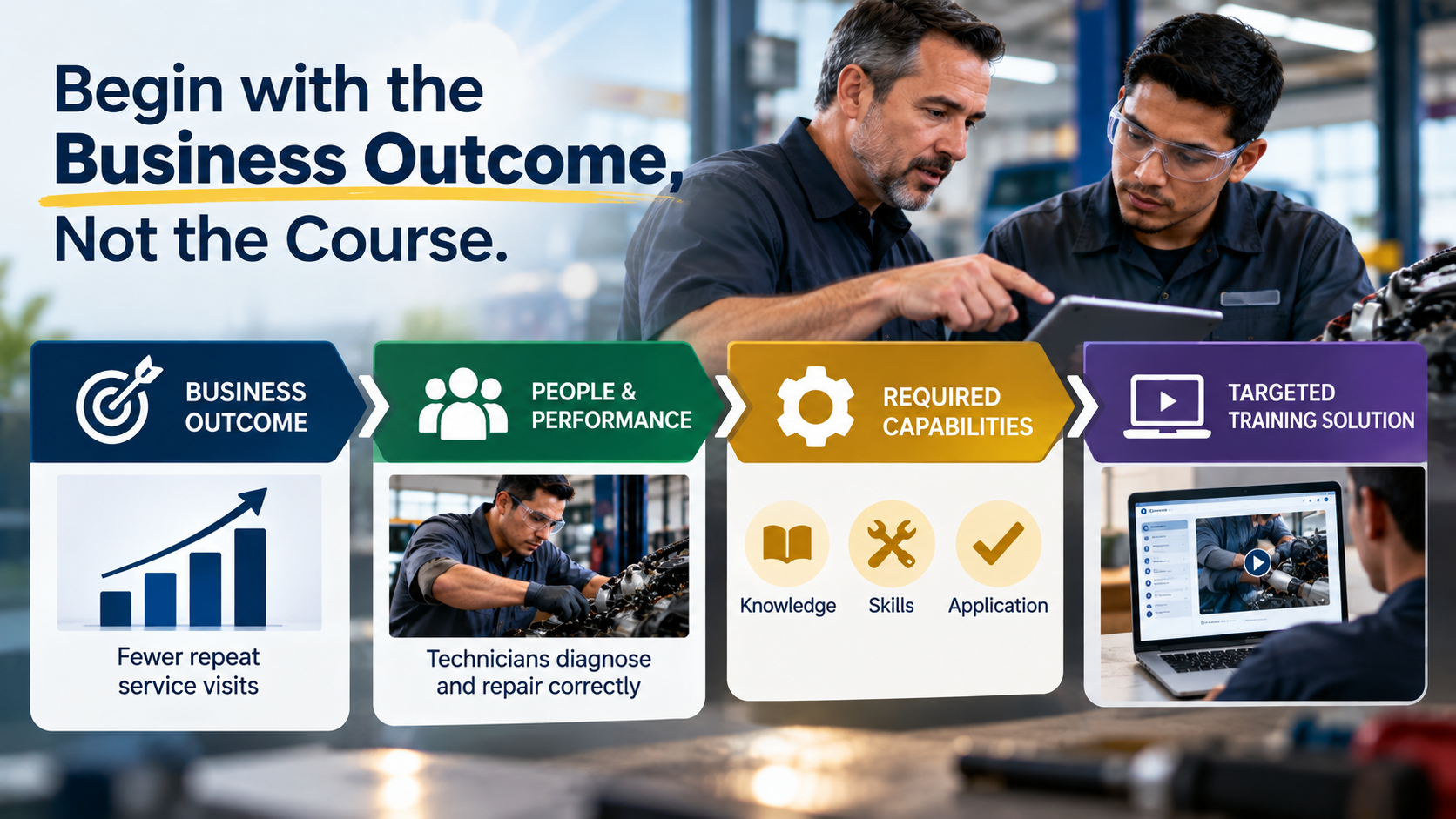
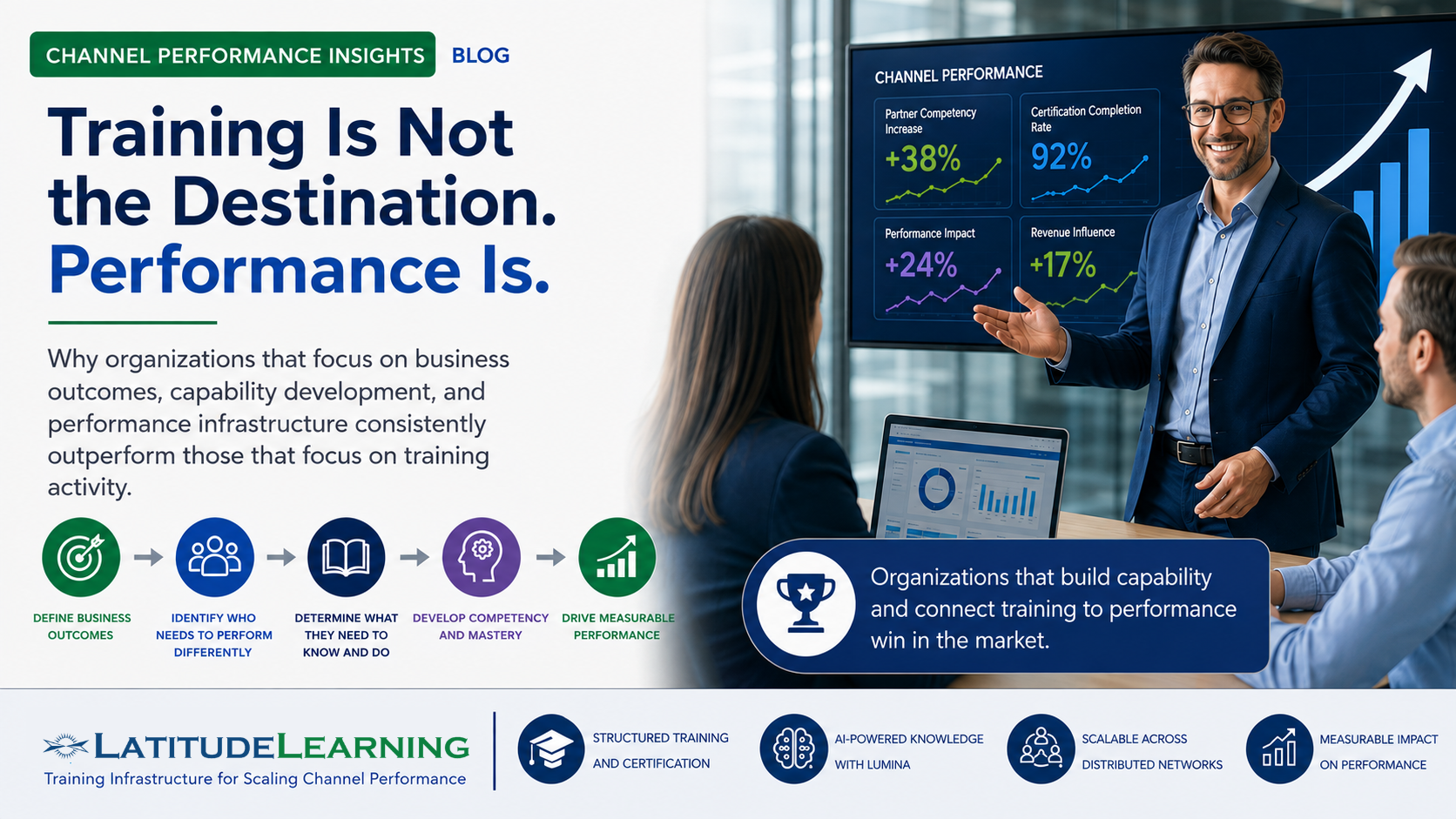
A useful training strategy starts with the business outcome your partner network needs to influence. Before creating a course, identify the work that must improve, the capabilities people need, and the support required to put those capabilities into practice.Read More
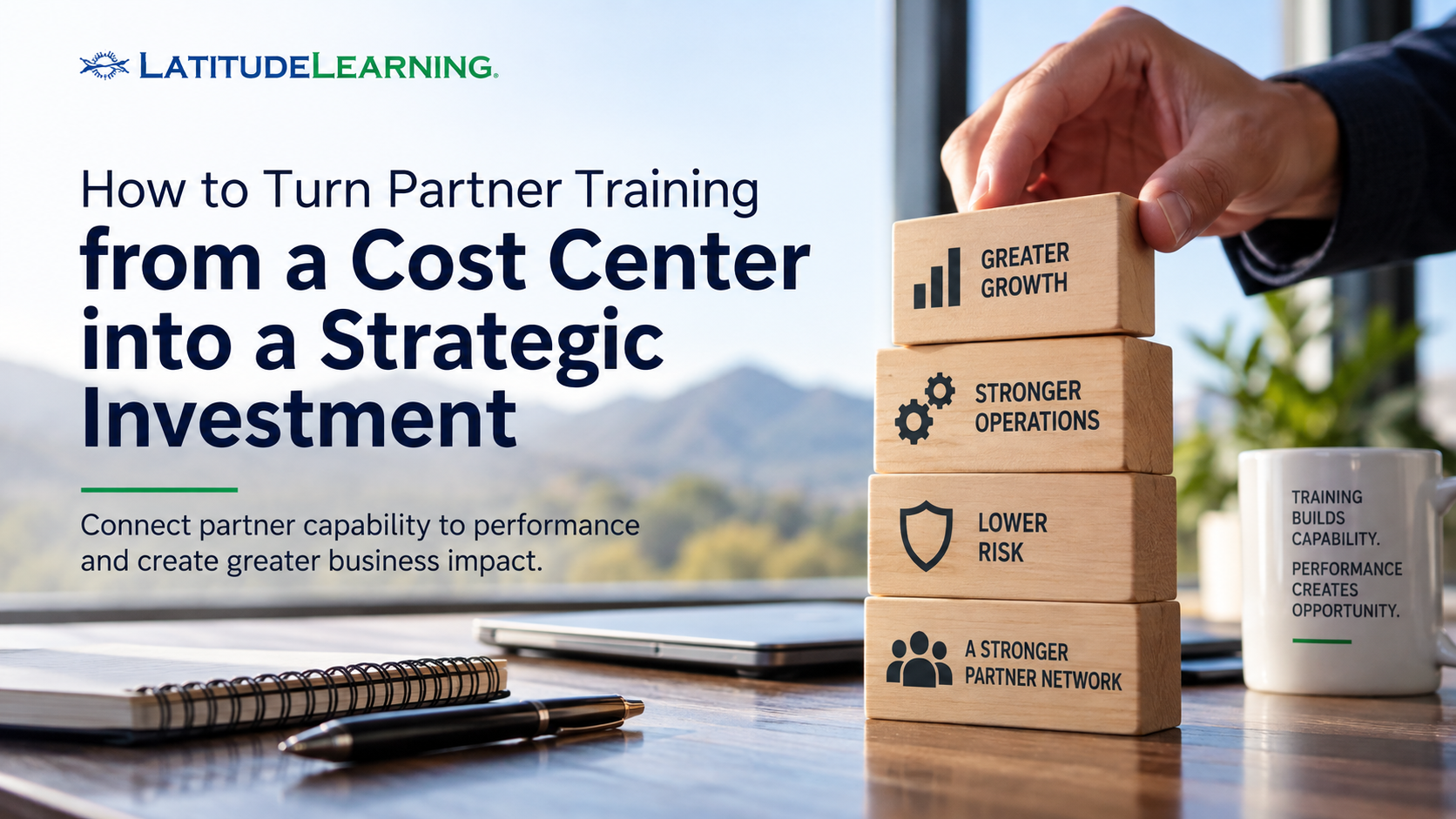
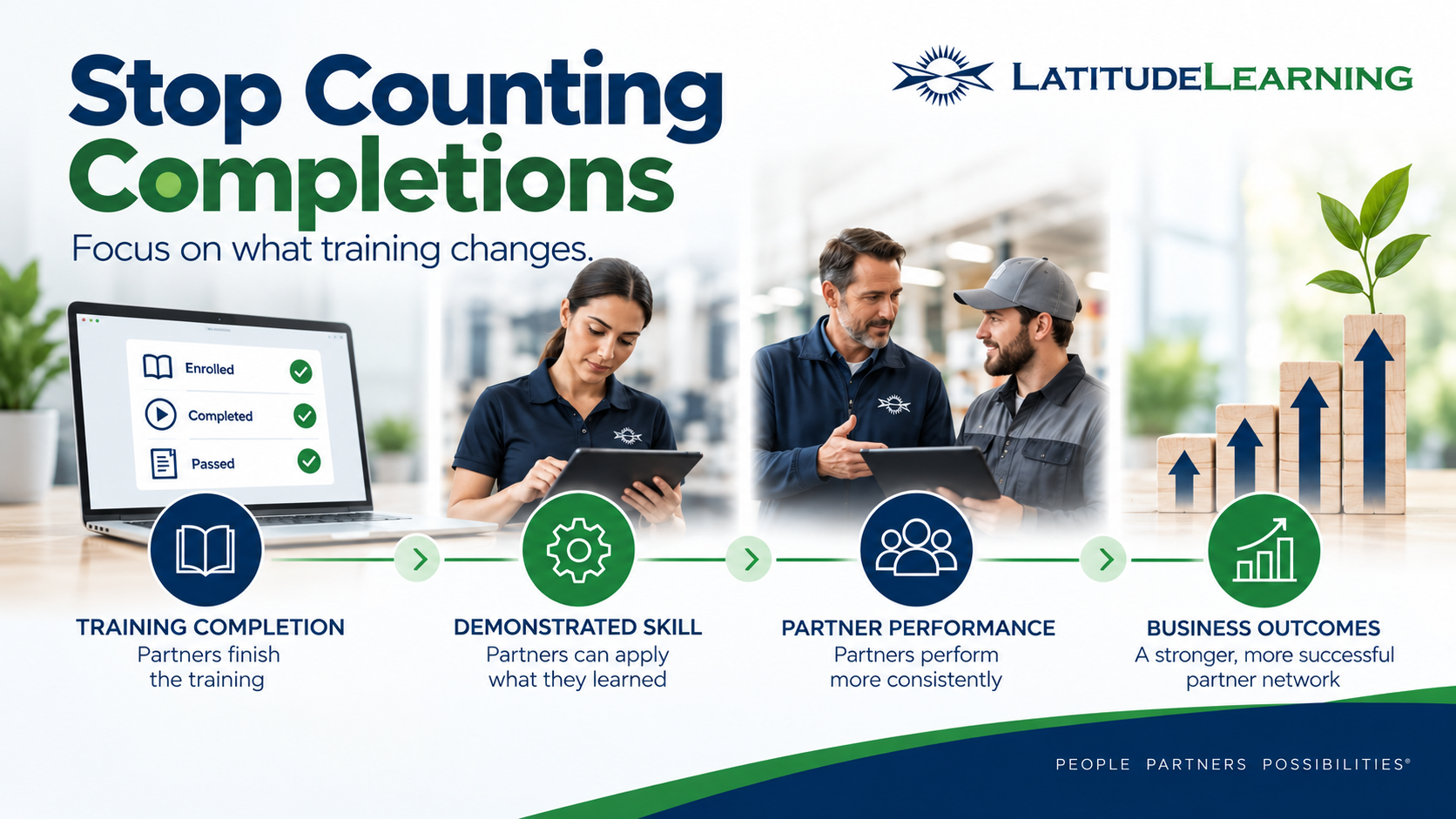
Partner training is often treated as a cost because the expense is easy to see while the business value is harder to measure. A stronger partner training ROI approach connects training to capability, capability to performance, and performance to the outcomes the organization is trying to influence.Read More
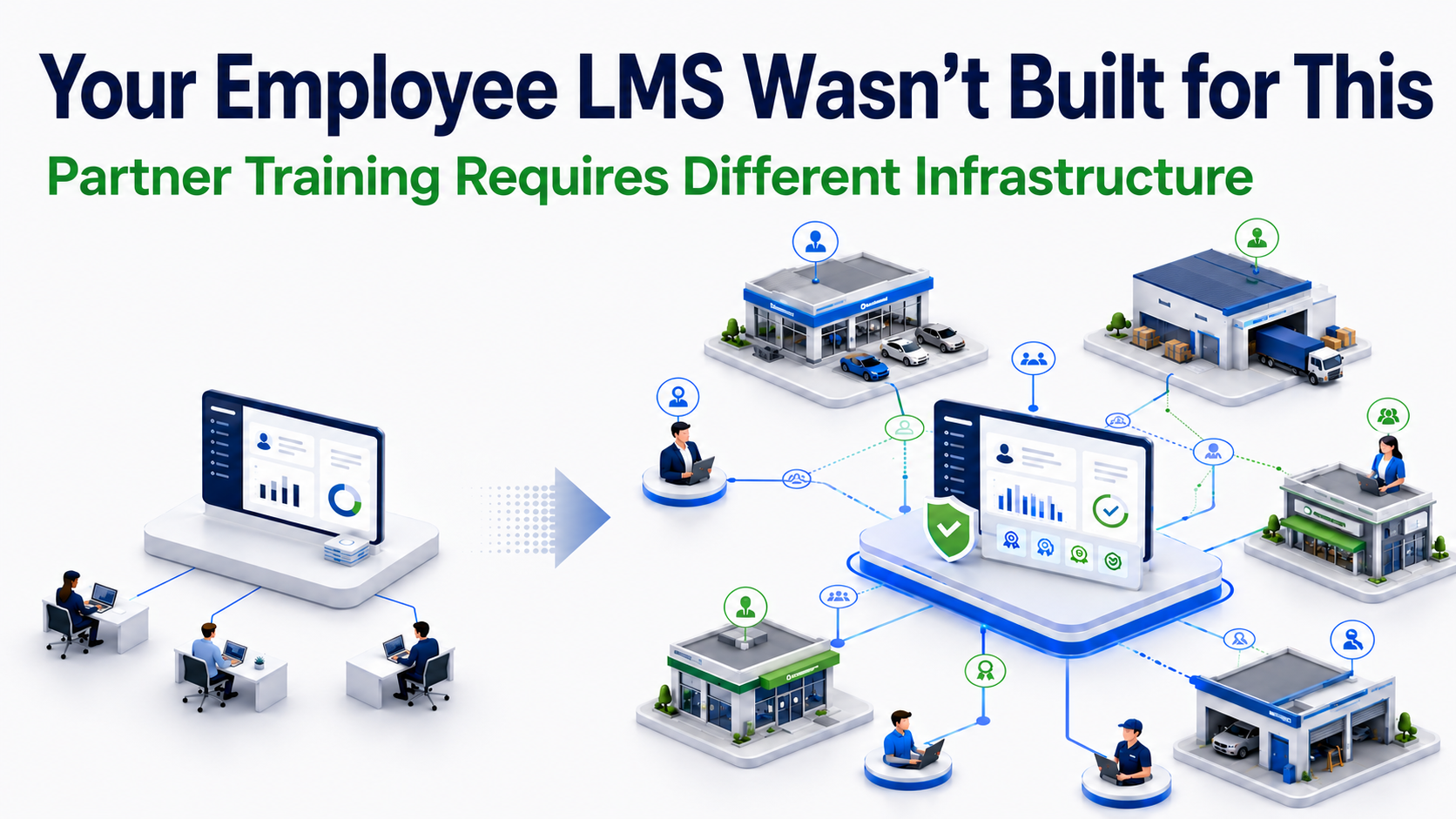
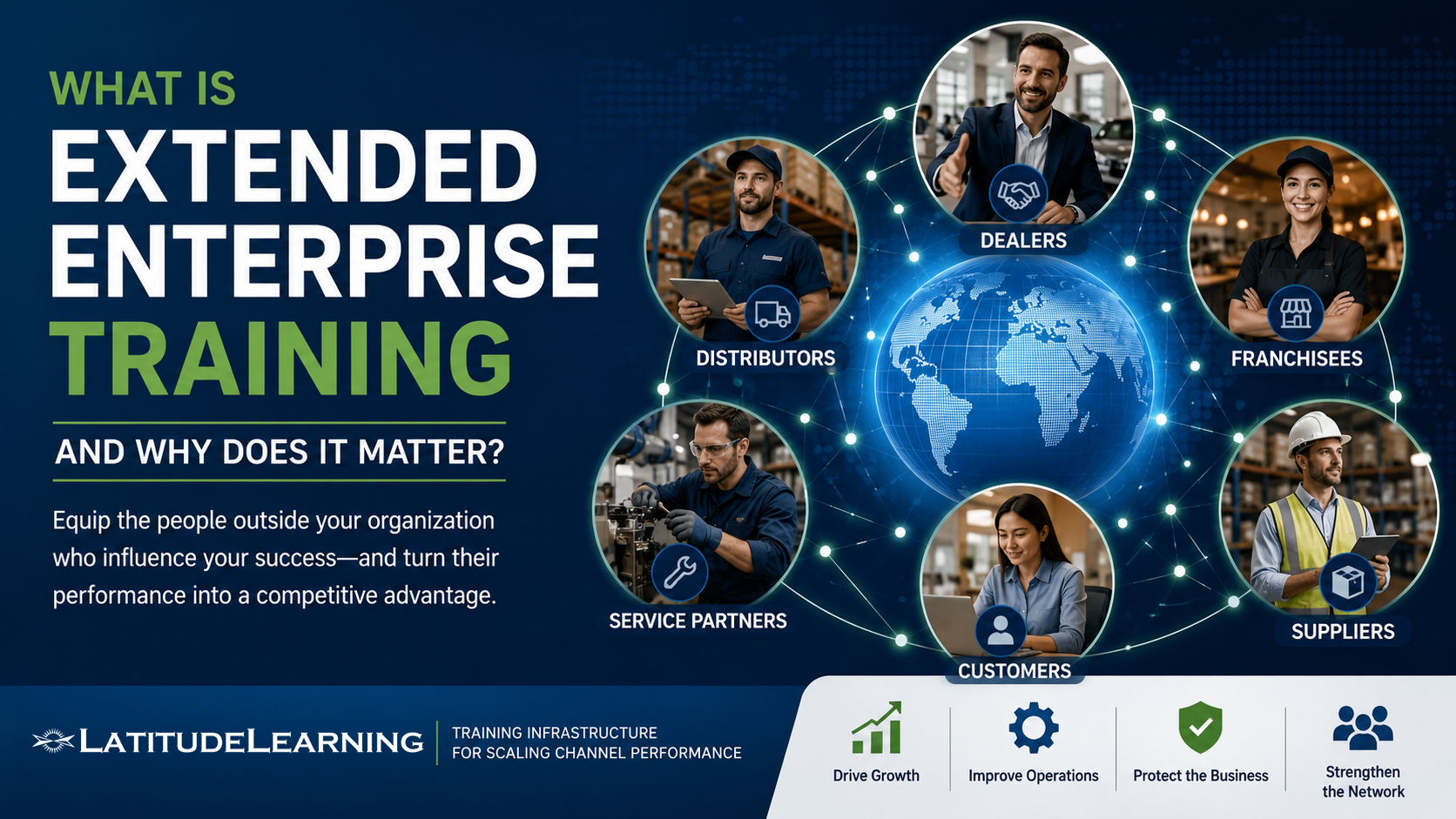
An employee LMS may deliver courses to external users, but partner training requires more than access. Dealers, distributors, franchisees, and service partners create complex organizational, certification, and reporting needs. Learn what a partner training LMS must support to build capability and improve performance across a distributed network.Read More
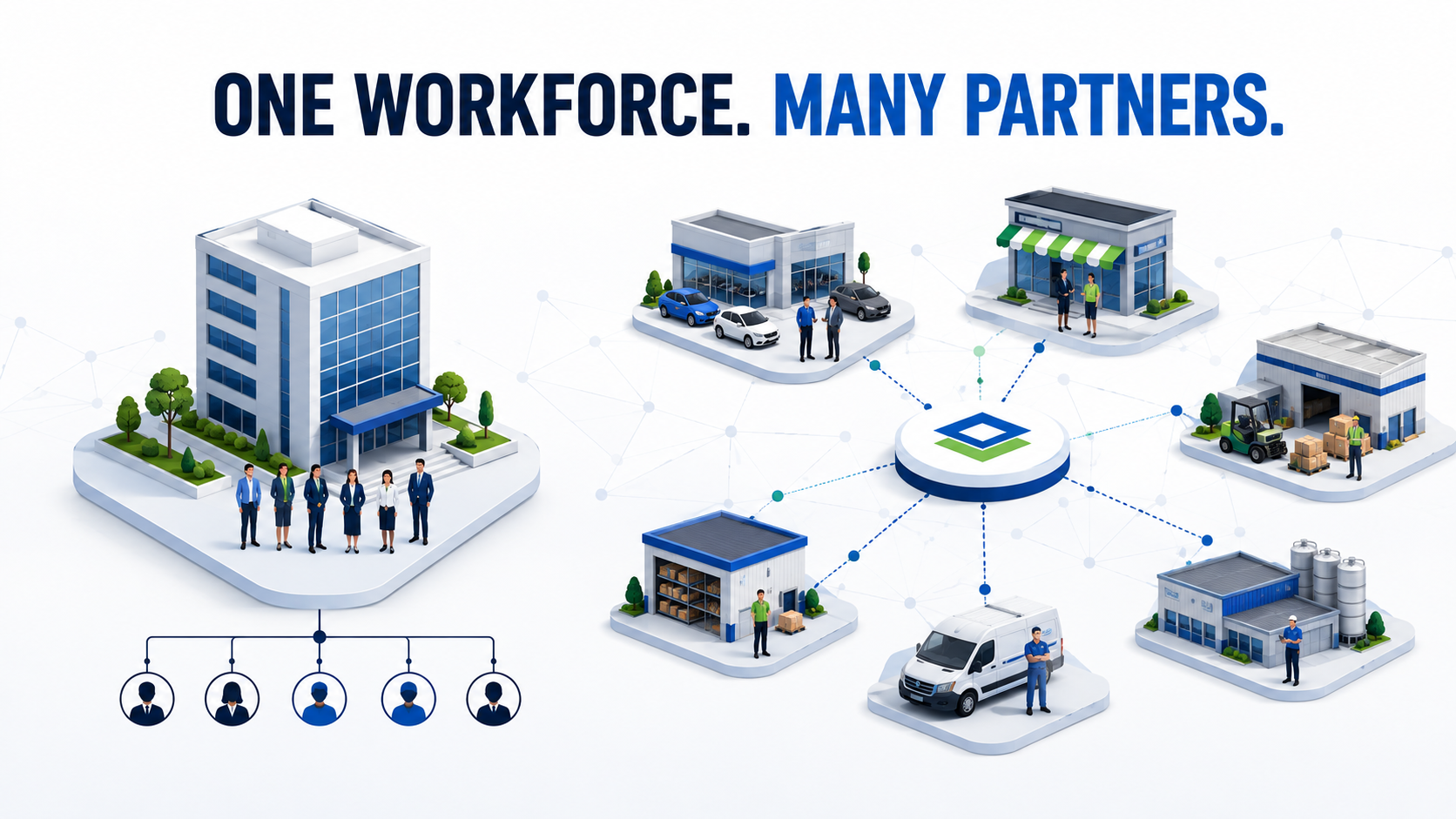
Employee training and partner training may use similar tools, but they operate under very different conditions. Learn how independent organizations, complex roles, limited managerial authority, certification requirements, and partner-level performance create distinct training needs across a distributed network.Read More
Most training programs look successful on paper, but fail where it matters most—in real-world execution. This article explains why training alone doesn’t drive results, and introduces the Channel Performance Equation™: a simple framework for building partner networks that actually perform.Read More
Most training programs look successful on paper, but fail where it matters most—in real-world execution. This article explains why training alone doesn’t drive results, and introduces the Channel Performance Equation™: a simple framework for building partner networks that actually perform.Read More